Search Results
862 results for “water changes”
How Often to Change Water for Crucian Carp?
Frequency depends on container and season: small tanks need changes every 3 to 4 days in summer, half a month in winter. Large planted ponds may need none. Treat tap water 2 to 3 days for chlorine.
How Often to Change Water for Guppies?
Change guppy water every 3 to 7 days by water quality. With filtration, every 7 days; warmer water spoils faster, so every 3 days when hot.
How Often to Change Water for a Parrot Fish?
Change parrot fish water every 3 to 4 days, replacing about a third each time. In cold winter, lower metabolism allows weekly changes.
How Often to Change Water for a Pond Goldfish?
Pond goldfish need water changes every 2 to 3 days, replacing about a quarter of the tank. They tolerate 0 to 38 C but are sensitive to temperature swings.
How often should a golden arowana tank have a water change?
Golden arowanas need water changes every 3-7 days, depending on filtration. With a running filter, once a week suffices; without one, change every 3 days.
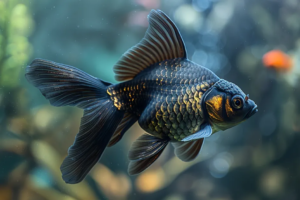
The Right Way to Change Fish Tank Water
Healthy fish start with healthy water. Sudden changes in quality, temperature, or pH can make fish sick, so change water regularly but not too often. Here is the correct way to do it.

Why Does Fish Tank Water Turn Green?
Green tank water is something most fish keepers run into. Without knowing the exact cause, frequent water changes alone won't fix it and the problem keeps coming back. Here is why tank water turns green and what harm it does.
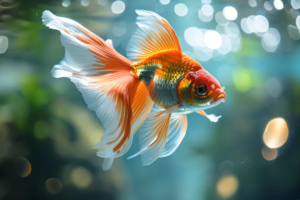
What to Do When Your Fish Tank Water Turns Green
Many fish keepers have seen their tank water turn green. This is usually caused by an overgrowth of green and brown algae, which crowds out plants and fish, absorbs oxygen, and can even release toxins. Here is how to fix it for good.

Why Did My Aquarium Water Turn White? What to Do
Milky water is usually biological (from overfeeding, unsterilized live food, or poor cleaning letting protozoa boom) or limestone turbidity (from unwashed gravel shedding lime). It clouds the tank, presses out beneficial nitrifying bacteria, stresses fish, and can smell. Fix it by more frequent water changes and cleaning, a UV sterilizer, stronger filter media, added beneficial and nitrifying bacteria or enzymes, and for lime, dilute with water changes, use potassium fertilizer, or add a clarifier and siphon the settled matter.

What to Keep in Mind When Changing Water for Your Arowana
Regular water changes are the first line of defense in keeping an arowana healthy, but doing it wrong can trigger refusal to eat, saprolegniasis, or cloudy eye. Proper care means pre-conditioning tap water to remove chlorine, changing only a small fraction at a time, keeping the flow gentle, avoiding feeding around the change, and watching the fish closely afterward.