Search Results
862 results for “water changes”
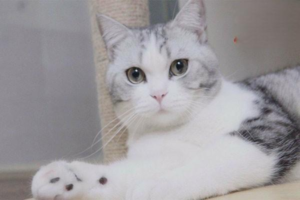
What to Do When a Cat Keeps Sneezing and Sounds Hoarse
Frequent sneezing may signal a respiratory infection that needs prompt, targeted treatment. This article explains why cats sneeze and how to help a cat that is also hoarse.

Emergency Care for a Kit Rabbit in Shock
Kit shock usually follows a long, difficult birth and can kill within 10–15 minutes. This guide covers the warning signs and the quick warming, glucose, and heating steps that can save a newborn rabbit.

Can a Dog’s Urinary Stones Be Treated Without Surgery?
Early, small urinary stones in dogs can often be managed with medication and diet alone, avoiding surgery. This guide explains when surgery is needed, the non-surgical treatment options, and the dietary changes that help dissolve and prevent stones.

Why Does a Dog Dribble Urine Drop by Drop?
A dog that dribbles urine a drop at a time, with prolonged urination and obvious pain, may have stones or urethritis. This guide covers the symptoms, treatment, and the diet changes that help pass and prevent stones.
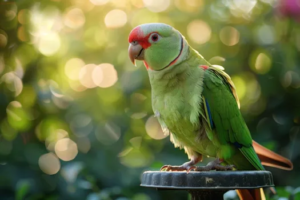
Is My Budgie Dying If It Fluffs Up and Looks Lethargic?
A budgie that fluffs up and looks weak may have a cold from cold weather, with sneezing, diarrhea, and lethargy. Take it to a vet promptly; mild cases can be watched with warmth, glucose, and clean water.
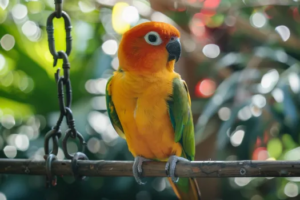
How to Help a Parrot With Fluffed Feathers and Diarrhea
Fluffed feathers can come from many discomforts; diarrhea is easier to trace. Common causes include weak gut, stress, bad diet, parasites, or infection. Learn the causes and fixes.

Common Causes, Symptoms and Treatment of Pet Colds
Pets catch colds easily — usually from chills (season changes, baths, drafts, rain, cold floors) or low resistance. A plain cold can worsen into something serious, so treat it early. Never give human cold medicine (acetaminophen is toxic to dogs and cats); use pet-specific drugs. Learn the warning signs that separate a cold from pneumonia, rhinitis, feline herpesvirus (cat flu) or distemper.

Treating Rabbit Diarrhea
Diarrhea is a common, serious rabbit problem that can be fatal, so treat it promptly and by cause. For kits: mild cases use neomycin; acute weather-related cases get enrofloxacin plus vitamin B complex; cases with appetite loss and soiling need chloramphenicol or aureomycin; diet-change stress needs a feed switch and probiotics.
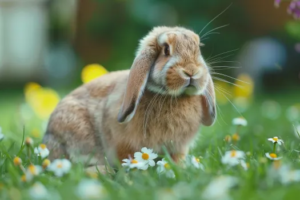
Why Won’t Your Rabbit Eat Its Feed?
A rabbit refusing feed isn't only boredom with the food—it can also mean dehydration, constipation, or disease. Here are the reasons.

How Long Does It Take for a Scared Cat to Recover?
Recovery time for a frightened cat depends on its personality and how severe the stress response was. Mild cases may settle within about 30 minutes, while a serious scare can take hours or even days. This guide covers common fright reactions and how to soothe a scared cat.