Search Results
862 results for “water changes”

What to Do When Your Rabbit Loses Its Appetite
A rabbit that stops eating is a warning sign. This article explains common causes of poor rabbit appetite—spoiled food, gut issues, nutritional gaps—and how probiotics, diet changes, and vet checks can restore it.

Why Is Your Rabbit Not Eating? Common Causes
A rabbit that stops eating can signal seasonal boredom, a sudden food change, breeding period, bloating, or pregnancy. This article lists the main causes and the practical responses for each.

Fever in Dogs and Cats: Causes, Detection and How to Reduce It
Fever in dogs and cats can stem from infections or non-infectious issues like heatstroke and post-vaccine reactions. Learn how to take your pet's temperature, recognize fever signs, and safely reduce fever with cooling and vet-approved medication.

Feline Rhinotracheitis (Cat Flu): Symptoms and Treatment
Feline rhinotracheitis, also called infectious rhinotracheitis, is a highly contagious herpesvirus infection causing fever, sneezing, eye discharge, and sometimes death—especially in kittens. This article covers its causes, symptoms, medication-based treatment, and vaccine prevention.
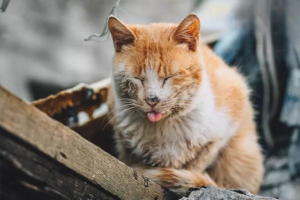
Common Causes of Shivering in Cats and Dogs and How to Manage Them
Shivering is body trembling from cold, emotion, disease, or weakness—common in pets, and seizures include it. Causes range from simple cold to poisoning or infection; this article reviews them.

Symptoms and Treatment of Seizures (Epilepsy) in Cats and Dogs
Epilepsy is a central nervous system disorder where overactive brain neurons cause abnormal function and seizures—convulsions, loss of consciousness, behavior changes. It is intermittent with many causes; treatment aims to reduce seizure frequency. This article covers types, symptoms, and management.

Why a Rabbit’s Eyes and Nose Look Wet
Wet eyes and nose in a rabbit can mean a cold, moisture from drinking, or eye irritation from debris. A careful check is needed to find the cause—this article explains the responses.

Cat Low Blood Sugar (Hypoglycemia): Symptoms and Emergency Care
Cat hypoglycemia is treatable, and with prompt care it is brought under control quickly — then good aftercare prevents another episode. But an untreated episode can be fatal. Learn the symptoms and emergency rescue steps every owner should know.

Dog Dry Cough With White Foamy Vomit: What It Means
During seasonal changes dogs cough easily, but a dry cough with white foamy vomit deserves attention. The cause may be simple or a viral infection. Learn the likely reasons and when to rush to the vet.

Why Does a Cat Cough Right After Waking Up?
Some cats cough the moment they wake up, then seem fine. Because coughing can be an early sign of many illnesses, it should not be ignored. Learn why cats cough after waking and how to care for them.