Search Results
862 results for “water changes”
How to make cherry shrimp breed rapidly (explode the tank)?
Keep stable temperature 10–30°C, ensure dissolved oxygen, provide plants/algae plus protein foods, and avoid stressing berried females so they don't drop their eggs.
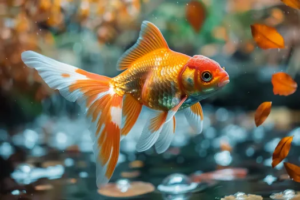
How to Enhance Your Arowana’s Color?
Arowanas are prized for their bold shape and vivid color, but sometimes the fish fade or never reach full brilliance. Color comes from pigments in the scales, so the fix is mostly environmental and dietary. Keep water clean and stable—regular changes, correct temperature, pH, and hardness—and avoid sudden swings that stress a red arowana and stall its coloring. Feed pigment-rich foods like small fish, shrimp, bloodworms, and earthworms, especially during the key coloring stage. Use moderate LED lighting and the right tank background (black suits red arowanas, in a dimmer setup), and balance swimming exercise with proper rest to support pigment production.

How to Estimate a Red-Eared Slider’s Age
If you did not raise a red-eared slider from a hatchling, you cannot know its exact age, but for young sliders you can estimate it from a few clues. Each round marking on the belly scutes suggests one year, and the number of concentric rings on the shell plus one gives another estimate. Weight and shell length also track age, and clearer, darker shell rings hint at an older turtle. Sliders usually mature at three to four years at over 17 centimeters, after which aging becomes hard to gauge.
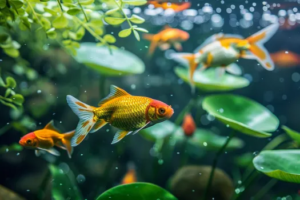
What to Do When Your Goldfish Is Swimming Upside Down
A goldfish floating or swimming upside down is alarming but common, usually caused by poor water quality, overfeeding, low oxygen, cold or fluctuating temperatures, or swim bladder disease. Act quickly to add oxygen and prevent long-term damage from suffocation. Season, temperature, water quality, dissolved oxygen, pH, feeding, and water-change frequency all affect a goldfish's health, so careful husbandry matters. You can relieve mild cases by improving water quality, boosting aeration, and raising the temperature—but if the problem is severe or persists, consult a veterinarian or an aquatic specialist for proper treatment.
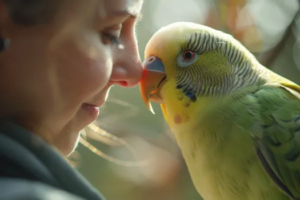
Why Did My Blood Parrot Cichlid’s Tail Turn Black?
Blood parrot cichlids are popular aquarium fish, and owners are often alarmed when a fish's tail slowly turns black. The cause is usually practical rather than mysterious—water temperature swings, poor water quality, a fright, or a bacterial black-spot disease. Most cases trace back to husbandry, so the fix is often a better water routine. This guide explains the common reasons and the matching treatment to bring the color back.
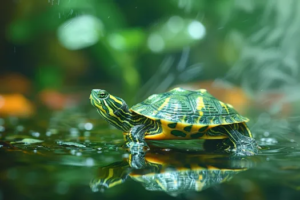
White Spots and White Fuzzy Growth on a Turtle
Finding white dots or fuzzy white material on a turtle worries many owners, but the cause is usually one of two things: a fungal infection called water mold, or simply normal shedding. Water mold comes from dirty water and cannot be wiped off, and it needs prompt treatment; shedding, by contrast, is a healthy sign of growth and should never be peeled away. Telling the two apart—and keeping the water clean—is the key to a healthy turtle. This guide explains both and how to manage them.
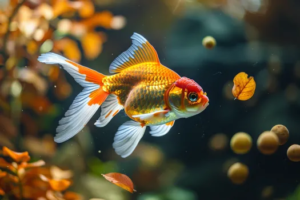
4 Common Goldfish Diseases and How to Treat Them
Goldfish commonly face white spot disease, pinecone (dropsy) disease, print disease, and hemorrhagic disease. Lower the risk with good, stable water quality, steady temperature, and avoiding stress and physical injury. Keep water clean with regular changes and enough oxygen, and adjust temperature with the weather. Healthy water is the foundation of goldfish health.
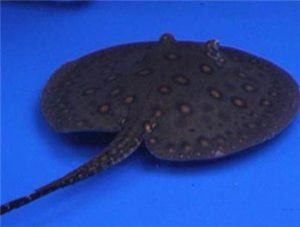
Pearl Stingray
The Pearl Stingray (Potamotrygon motoro), also called the Amazon River Stingray, is a common stingray in aquariums. Its charming pattern of round cream spots like pearls gives the name 'Pearl Stingray'.
Arcuate Corydoras
The Arcuate Corydoras (Corydoras arcuatus), also called the Indian Cory, Arched-back Cory, or Arrow Cory, is a common, well-known cory species that is robust and easy to keep, and is well suited to schooling in the aquarium.

Asian Arowana
The Asian Arowana is a primitive, endangered species known as a 'living fossil' and called 'Dragon Spitting Pearl' in Hong Kong. Resembling the legendary dragon, it is one of the most popular and expensive ornamental fish, distributed across Southeast Asia.