Search Results
943 results for “water bath”

When You Should Not Bathe Your Dog
Every dog loves to look good, and looking good means staying clean and tidy - yet dogs love freedom and would rather stay filthy than take a bath.

How to Bathe Your Pet at Home
Bath frequency: adult dogs weekly, autumn-winter 2-3 times a month. Puppies less due to low resistance. Cats not often - every 3-6 months per tolerance.

What to Do When Your Dog Fears Baths
Dogs fear baths from discomfort, past trauma, or sensitive hearing that amplifies water and dryer noise. Go slow with desensitization, rewards, and never use brute force.

How to Bathe Your Dog Properly (For New Owners)
Bathing a dog starts long before the tub. Tire the dog out, let it acclimate, brush the coat, use the right temperature and a dog-specific shampoo, then dry thoroughly to avoid illness and skin problems.

Why a Cat May Die the Day After a Bath
Why would a cat die the day after a bath? Experienced owners know it is usually a stress reaction. Here is what you should understand.

Can You Bathe a Dog with Skin Disease? (and How to Handle Dermatitis)
Many owners wonder whether a dog with dermatitis can be bathed. Unless there is severe purulent infection or a large wound, bathing is fine - and a medicated bath can actually help. Here is how.

Can a Cat with Ear Mites Sunbathe?
Sunlight's UV rays help disinfect a cat's ears and support ear-mite recovery, so brief sunbathing is fine — but it cannot cure mites on its own. Proper care means cleaning with an ear cleaner, applying a topical antiparasitic, an e-collar, and isolating multi-cat households.

Do Pet Rabbits Really Not Need Baths?
Rabbits can be bathed, but rough handling or wrong water temperature causes dangerous stress. Use rabbit-safe products or plain water, be gentle and quick, and dry thoroughly with a low, indirect warm airflow. Bathe only when truly needed—each bath is a risk.

What to Do If Your Cat Has Diarrhea and Vomiting After a Bath and Air Conditioning
A bath followed by cold air-conditioning can chill a cat and trigger vomiting and diarrhea, often from bacterial gastroenteritis, parasites, or (if unvaccinated) panleukopenia. Withhold food and water for 6-8 hours if vomiting persists, use vet-approved GI meds, keep the cat warm at 27-28C, and see a vet if symptoms continue.
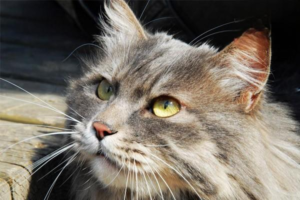
Is Diarrhea After a Cat Bath a Cold?
Soft stool or diarrhea after a bath is usually not a cold - it ties to stress or chilling lowering immunity, common in weak or timid cats. Here are the causes and fixes.