Search Results
943 results for “water bath”
Why is my puppy listless, refusing food and water, and not defecating after a river bath?
Refusing food and water after a bath is often from poor warmth leading to chills or a cold, which affects appetite. Keep the puppy warm, treat symptoms as they appear, and if it only skips food and water without other signs, check for and remove any odd odors on its body. Persistent refusal to eat or drink warrants a veterinary visit.
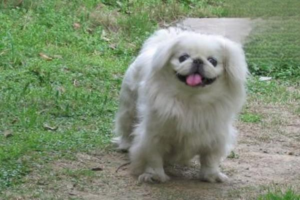
Can You Bathe a Schnauzer Puppy?
Yes, you can bathe a Schnauzer puppy — but not while it is sick or during its first week in a new home. Bathe in a warm room during the day, dry it quickly, and blow the back and belly completely dry first to prevent chills and skin trouble; a pin brush used while drying keeps the coat healthy.
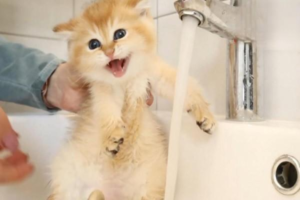
Symptoms of a Bath-Induced Cold in Cats
A cat chilled by too-frequent bathing shows weepy red eyes, sneezing, runny nose, and lethargy. Prevent colds with warmth, hydration, and regular disinfection, and isolate a sick cat since the illness spreads to other cats.

6 Common Dog Bathing Mistakes
Frequent mistakes, cold-water washes, rushed rinses, human shampoo, skipping baths, bathing wounds, and air-drying, can make bath time do more harm than good. Use 38 to 42 C water, dog shampoo, and always dry the coat fully.
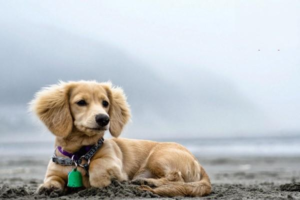
Bathing a Dog with Sensitive Skin
Wet fur reveals hidden skin problems, so bathe a sensitive-skin dog with care: a non-slip mat, cool-to-lukewarm water, gentle massage (never against the grain), thorough rinsing, ear cleaning, and careful drying. Bathe every 7–10 days in warm seasons, 10–20 in cold — or as your vet directs.

How to Bathe Your Pet Safely, Including Medicated Baths
A proper bath means guarding the ears with cotton, securing an unwilling pet on a leash, shampooing the whole coat except the eyes and scrotum, rinsing fully, and drying thoroughly. For medicated baths, concentration and contact time are the decisive factors: too strong is toxic, too weak or too brief is useless.

Why Some Cats Like Water and Others Hate It
Cats groom themselves for hours each day and rarely need baths, but when fleas, skin infections, or sticky fur appear, water may be the only fix. Most cats dislike it because their wild ancestors lived in dry climates and never needed to swim, and a soaked coat costs them the speed and agility they rely on.
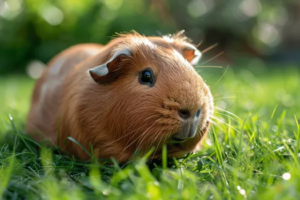
Chinchilla: Yellow Fur on the Rump — What to Do, and Can You Bathe It?
Yellow fur on a chinchilla's rump usually comes from urine stains or damp fur that oxidized, and if bad it can inflame the skin. Wipe with a warm towel, trim what will not come clean, or use a dust bath to fade it — but do not wash a chinchilla with water: the stress can drop immunity and even prove fatal, the dense coat stays wet and invites skin disease, and the natural protective film is stripped away. Keep the cage bottom dry, and simply yellowed fur is harmless.

Common Bathing Mistakes New Dog Owners Make
New owners often stumble on three things: water that's too hot or too cold (test with your forearm, not your palm), a shower head that scares the dog with its pressure and noise (let water hit your hand first), and human shampoo — even baby formula — which disrupts a dog's skin pH and invites skin disease. Always brush the coat before the bath to lift loose fur and prevent mats.

Tips for Bathing Your Cat
Bathing a cat is manageable with the right approach: choose mild, dry weather, wet the coat gradually rather than dunking (head last), keep water at 38–40 °C with a thermostatic valve, and use only a pet-specific, low-odor shampoo. For skin issues like chin acne or a greasy tail, a medicated formula may be appropriate.