Search Results
361 results for “warmth care”

Why Cats Get Tear Stains and How to Treat Them
Tear stains come from a salty or greasy diet, a blocked tear duct, or an infection like feline herpes. The fix follows the cause — blander food, a duct-opening procedure, or targeted antiviral care with warmth — and routine eye cleaning keeps them away.

How Long Does Cat Rhinotracheitis Take to Heal?
Recovery time depends on the cat's immunity and how far the infection has advanced — mild cases clear in days, moderate ones take weeks to a couple of months, and severe cases run past a month. Because the virus stays for life, symptoms can return under stress, so vaccinate and use preventive supplements after recovery.

Treating a Dog’s Cold: Medication, Injections, and Costs
Mild dog colds need only warmth, rest, water, and good food, but persistent cases call for medication or injections. Treatments range from anti-inflammatories and eye or nose drops to fever-reducing and interferon shots, with a typical fever shot running a few dozen yuan depending on symptoms and clinic.

Kitten Cold: Sneezing and Runny Nose
A sneezing, runny-nosed kitten usually caught a chill from a cold nest or sharp temperature swings, and a honking cough means it's serious. Treatment depends on age — kittens under a month are too young for cold medicine, so warm them and boost nutrition; older kittens can have cat-safe meds if conservative care fails.

Preventing and Treating Cat Ringworm in Spring
Ringworm spikes in spring as warmth lets fungi thrive, causing scaly, round hair loss that can spread and crust if ignored. Confirm with a Wood's lamp plus skin scraping, then treat with clipping, topical and oral antifungals, and a clean environment — and protect yourself, since it is zoonotic.

Can You Deworm a Kitten During a Cold or While on Shots?
Don't deworm a kitten while it has a cold or is on medication — the drug's mild toxicity can trigger vomiting, diarrhea, or slow recovery. Hold off until a week after full recovery, dose by weight, and keep the cat warm, isolated, and well-fed in the meantime.
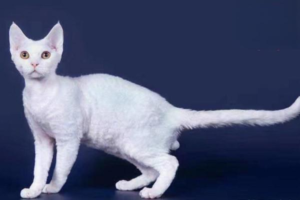
Cold Symptoms and Fever in Sphynx (Hairless) Cats
Sphynx (hairless) cats lack a fur coat and lose heat far more easily, so they catch colds more readily than other breeds. Mild cases with a low fever under 39.5°C can often recover at home with warmth and supportive care, but a cat that won't eat, grows weak, or fails to improve needs prompt veterinary attention.

What to Do When Arthritis Makes a Dog Limp
Arthritis can strike any aging dog and, left untreated, leads to limping and lameness. Manage it with rest and warmth, vet-guided medication and joint supplements, and careful weight and exercise control — and watch for early signs like stiffness and swelling before lameness sets in.

What to Do If a Dog Has a Fever After Giving Birth
A fever right after whelping is often stress-related and mild, eased by cooling the skin; a higher fever a few days later usually means postpartum infection needing veterinary care. The new mother also needs a clean, temperature-controlled den and extra nutrition, especially calcium.

What to Do If a Dog Keeps Vomiting After a Cold
A dog that vomits with a cold — dry heaves or clear mucus plus cough, runny nose, and sneezing — usually just needs warmth, pet cold medicine, probiotics, and broth. But unstoppable vomiting can signal viral disease, gastroenteritis, or parvovirus and needs immediate veterinary care.