Search Results
361 results for “warmth care”

How to Care for Nursing Puppies
Caring for newborn puppies means watching for crushing and feeding in the first four days, then short sunny outings from day five, protecting unopened eyes until about day 13, freer activity after day 20 with warmth and nail trims, and deworming at one month. The goal: good nutrition, sleep, gentle activity, and hygiene.

Summer Care Tips for Hamsters
Hamsters have weak immunity and get sick easily with temperature swings, so summer care must cool them without letting them catch cold. Place the cage in a shady, airy spot with cooling mats, and if you use air conditioning keep it around 27°C with paper cotton for warmth, or use a fan that does not blow directly on the pet. Keep the diet light: normal hamster mix plus cooling foods like mung beans, watermelon, cucumber, or a little chamomile water, and always provide fresh water changed daily. Clean the cage and change bedding twice a week to limit bacteria.

Winter Care Mistakes to Avoid for Dogs
When a cold snap hits, dogs sleep away the winter in warm beds — but keeping them cozy has traps. Five common warming mistakes can actually do harm, while a few simple habits keep a dog safe and comfortable.

How to Care for Your Cat in Winter
Cats feel the cold more than their fluffy looks suggest. Warm, safe bedding, careful heating, steady nutrition, and a little extra grooming keep your cat healthy through the winter — and so do the stray cats sheltering by your car.

Why Your Kitten Has Diarrhea: Common Causes and Care
Kitten diarrhea has several common triggers — chills, an immature or stressed gut, or parasites. Finding the cause before treating it is the fastest way to get a young cat's digestion back on track.

Treating Dog Diarrhea: Causes and Care
A dog's gut is extremely delicate, so diarrhea is very common — and the right treatment starts with the right cause. Parasites, poor feeding, frequent food switches, chills, or infectious disease each need a different response. Match the care to the trigger, and see a vet for nonstop or bloody diarrhea, since parvovirus may be involved.

Autumn Care Tips for Your Dog
Autumn means more parasites, bigger temperature swings, coat change, and easy chills. Stay on top of internal and external parasite control, add a warm blanket and balanced nutrition, and keep a probiotic handy for loose stools.

A Winter Care Guide to Keeping Your Dog Warm
Winter warmth is the top concern for dog owners, yet many fall into traps. Meet higher protein needs, keep water and probiotics up, and use rugs, proper clothing for short-coated breeds, and safe sunlight to stay warm.

What If Your Cat’s Cold Won’t Clear Up After Treatment?
If a cat's cold lingers after shots and medicine, the cause is usually poor home care or the wrong treatment — and viruses like herpesvirus can flare again. Support recovery with isolation and disinfecting, warmth and humidity, face cleaning, probiotics, and plenty of water; if it worsens, rule out panleukopenia or rhinitis at a clinic.
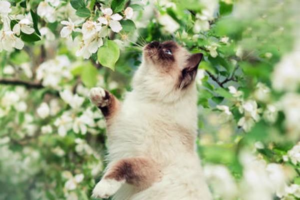
How Weather Affects Your Cat’s Mood and Health
Cats feel weather as keenly as people do, storms, cold, heat, and humidity all shift their mood and health. Watch for heatstroke and hypothermia in extremes, and keep the home between 20 and 25 C with sun, warmth, and steady routine.