Search Results
197 results for “warm quiet environment”
What should I do if my dog keeps having diarrhea after coming home?
Continuous diarrhea after arriving home is often a stress response. Withhold food briefly, give pet probiotics, keep the dog warm and hydrated, and provide a quiet environment so it can adapt gradually.

How to Prevent Arowana Fright
Arowana fright is common and hard to eliminate entirely, so owners should both prevent it and know how to respond. Give new fish quiet time to adapt, keep tankmate sizes matched, maintain stable warm water, and limit pets/children near the tank; for an already-startled fish, the 'old three' (heat, salt, water change) usually helps.
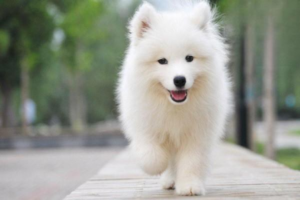
Can You Bathe a Pregnant Dog?
A pregnant dog can be bathed, but with cautions the owner must follow to keep mother and pups safe.

Cat Stress: Signs and What to Do
Basic knowledge about stress reactions in cats.

Common Questions About Spaying and Neutering Cats
When is the best time to spay or neuter a cat? What should be noted before and after the surgery? What are the benefits? These are things every cat owner needs to learn. Spaying or neutering is something every cat must go through; let us look at these common questions together.

What to Do When a Mother Cat Won’t Eat After Giving Birth
A new mother cat may refuse food due to exhaustion, stress, a noisy environment, or a postpartum infection. Brief fasting is normal, but prolonged refusal needs a vet check for retained kittens or infection. Soft, nutrient-rich meals and a calm space help her recover.

What to Do When Your Cat Catches a Chill
Cats catch colds easily from baths, seasonal shifts and temperature swings. Treat early to prevent the illness from deepening into something worse. Symptomatic care plus warmth, hydration and good nutrition usually gets a mild case back on track.
- « Previous
- 1
- …
- 18
- 19
- 20