Search Results
197 results for “warm quiet environment”
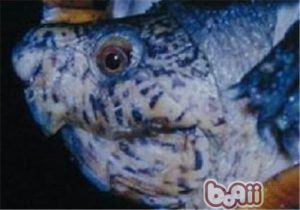
Kinosternon dunni
Kinosternon dunni, the Colombian Mud Turtle, is a semi-aquatic musk-turtle relative from Colombia's streams, mostly herbivorous and similar in looks to the narrow-bridged mud turtle. A prolific breeder, it benefits from a short, safe hibernation and a varied, plant-rich diet.

Florida Red-bellied Cooter
The Florida Red-bellied Cooter (Pseudemys nelsoni) is a brightly marked freshwater turtle from Florida and Georgia, popular with keepers who want a colorful alternative to the Red-eared Slider. Hardy and easy to care for, it thrives under slider-like conditions with good water quality and a basking spot.

Berger’s Cape Tortoise
Berger's Cape Tortoise is a small tortoise native to the coastal regions of Namibia and western South Africa, where it shelters among rock crevices and feeds on the flowers and fruits of plants such as cucumbers, gourds, grapes, and figs, reproducing by laying eggs.

Creaser’s Mud Turtle
Creaser's Mud Turtle (Kinosternon creaseri) is a lesser-known mud turtle with a dark shell and pale head. Known for its aggression and strong territoriality, it is rarely kept in captivity and seldom seen in the market.
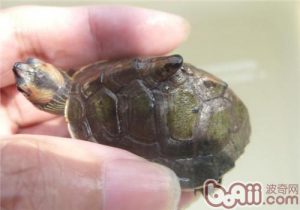
Indian Roofed Turtle
The Indian Roofed Turtle (Kachuga tecta) is one of the more common roofed turtles, recognizable by the distinctive raised black keel on its shell. Native to the rivers of the Indian subcontinent, it is a timid aquatic turtle that can enter hibernation.

Stripe-necked Leaf Turtle
The Stripe-necked Leaf Turtle (Cyclemys tcheponensis) has a broad distribution and healthy wild populations, and even wild-caught individuals adapt well to human care. A semi-aquatic species, it favors shallow water adjoining land; adults prefer fruit while juveniles lean toward meat.
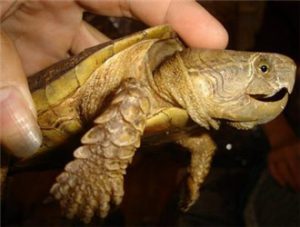
Big-headed Turtle
A bizarre, hook-beaked Asian turtle with a huge triangular head it cannot retract - wild-caught and protected, so captive-bred-only and for specialists.

Preputial External Injury in Dogs and Cats
Preputial external injury in dogs and cats refers to damage of the skin and fascial layers of the prepuce caused by external trauma. It commonly appears as preputial contusion, cellulitis, or abscess, and is managed by controlling infection and inflammation and keeping the area clean.

Feline Calicivirus Infection: Symptoms and Treatment
Feline calicivirus is a common viral cause of upper-respiratory and oral disease in cats, marked by fever, mouth ulcers, and runny nose. It spreads easily and causes high illness rates, but deaths are uncommon except in very young kittens.
What should I do if my newly adopted dog won’t eat?
A new dog often refuses food from stress; give it quiet time, company, water, and a gradual food transition, and it will eat once settled.