Search Results
2435 results for “vitamin E”

Hypoparathyroidism in Dogs and Cats
Hypoparathyroidism is low parathyroid hormone from parathyroid injury that causes severe low blood calcium and neuromuscular hyperexcitability: muscle tremors, ataxia, and seizures. Correcting calcium with calcium and vitamin D is the mainstay of treatment.

Hyperparathyroidism in Dogs and Cats
Hyperparathyroidism is excess parathyroid hormone from a tumor or dietary imbalance that disrupts calcium-phosphorus balance, causing poor appetite, vomiting, weakness, and urinary stones or kidney failure. Treatment targets the cause and corrects calcium.

Hypothyroidism in Dogs and Cats
Hypothyroidism is reduced thyroid hormone from thyroiditis or tumor that slows metabolism, causing lethargy, weight gain, hair loss, and cold intolerance, sometimes with nerve signs. Lifelong thyroid-hormone replacement is the treatment.

Hyperthyroidism in Dogs and Cats
Hyperthyroidism is excess thyroid hormone from a thyroid tumor or hyperplasia that raises metabolism and nerve excitability. It causes weight loss with increased appetite, a fast or irregular heartbeat, and hyperactivity, and is managed with antithyroid drugs, radioactive iodine, or surgery.

Tibial and Fibular Nerve Paralysis in Dogs and Cats
Tibial and fibular nerve paralysis impair normal hind-limb movement, causing an abnormal high-step or a knuckled, dragging paw, and eventually muscle wasting. Acupuncture and nutritional support aid recovery.
Suprascapular Nerve Paralysis in Dogs and Cats
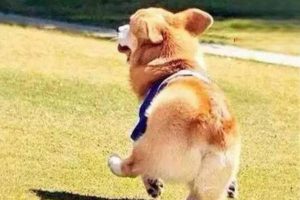
Suprascapular nerve paralysis follows a blow, impact, or overstretch to the shoulder, causing the shoulder to jut outward and the shoulder muscles to waste over time. Nerve-supportive care and rehab help recovery.
Radial Nerve Paralysis in Dogs and Cats
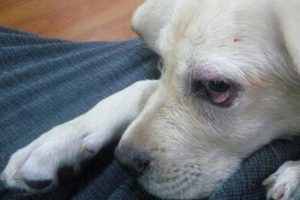
Radial nerve paralysis leaves the elbow, wrist, and digit extensors unable to function, causing a dropped elbow, knuckled paw, and dragging toes. Forelimb or rib fractures and prolonged pressure from lying down are common causes, and rehabilitation supports recovery.

Brachial Plexus Avulsion in Dogs and Cats
Brachial plexus avulsion is the tearing of the front-leg nerve roots, usually from a car impact or high fall. It causes acute, non-progressive weakness of one limb, and rehabilitation with nerve-supportive care offers the best chance of recovery.

Trigeminal Nerve Paralysis in Dogs and Cats
Trigeminal nerve paralysis leaves the eye, upper, and lower jaw branches partly or fully numb, causing lost corneal reflex, a dropped jaw, protruding tongue, and difficulty eating. Tumors, abscesses, inflammation, distemper, contusion, or B-vitamin deficiency can be responsible.

Peripheral Nerve Injury in Dogs and Cats
Peripheral nerve injury in dogs and cats results from blunt trauma, falls, tumors, or irritating injections near a nerve, producing partial loss of sensation, weak reflexes, and eventually muscle atrophy. Prompt treatment of the cause and supportive nerve care improve the outlook.