Search Results
416 results for “vitamin E dog skin”

How to Cure Dog Skin Disease at the Root
Stubborn skin disease in dogs is most often fungal or mite-related, driven by poor hygiene, weak immunity, or contact with infected animals. Lasting recovery combines shaving, a medicated herbal bath, topical and systemic antifungals, and ongoing prevention — and a vet should direct treatment rather than guessing with home remedies.

Dog Skin Fungal Disease (Dermatophytosis)
Most dog skin fungal disease is caused by Microsporum canis, whose spores survive for years in the environment, so infection is stubborn and contagious. Treatment combines topical and oral antifungals with medicated baths, and recovery takes one to four weeks depending on severity.

Common Skin Diseases in Dogs
Dog skin problems come from many sources — fungal spores, bacteria, allergies, and parasites among them — and each cause looks a little different. This overview covers how fungal and mite infections take hold and the standard treatment path of shaving, herbal medicated baths, topical ointment, and systemic antifungals.

Causes and Treatment of Fungal Skin Infection in Dogs
Canine dermatophytosis is a zoonotic fungal infection driven by climate, weak condition, and long-term steroids, with Microsporum canis the top culprit. It shows as round scaly patches and needs topical or oral antifungals plus isolation, since it spreads to people and other pets.
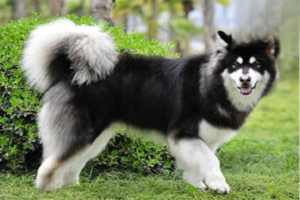
Why Dogs Itch and How to Treat It
Itching can come from allergies, weather, bedding, diet, nerves, or internal disease — and once parasites are ruled out, corticosteroids often calm it fastest. Find and remove the trigger (switch shampoo, fix diet, control fleas) and see a vet for whole-body or unexplained itching.

Signs of Diabetes in Dogs
Diabetes is a chronic disease and a common endocrine disorder; prevention and early detection are very important. To detect it early at home, owners need to pay closer attention to the dog's condition. The most typical symptoms of diabetes are excessive drinking and urination, messy coat, and lethargy. When a dog's water intake and urination are found to increase suddenly for no reason, owners should be careful.

Types of Dog Skin Diseases and How to Treat Them
Dog skin diseases are divided into fungal, bacterial, parasitic, endocrine, etc. These causes all produce dermatitis, eczema, redness, hair loss, itching, ulcers, and scratches of varying size. It is best to first get a professional diagnosis at the hospital, confirm the cause, then choose the most effective treatment, so the condition recovers soon.

Dog Diabetes: Symptoms and Treatment
Canine diabetes is an endocrine disease in dogs, mainly showing high blood sugar, polyuria, glucosuria, polyphagia, polydipsia, and weight loss. Dogs over 5 are more prone (8-9 years has the highest rate), and female dogs are 2-4 times more likely than males. If diabetes is found, treat it early.

What Foods Work Best for Dog Training Treats
Today we learn which foods can serve as training rewards.

Does Your Dog’s Dry Skin Need Moisturizer?
Dog dry skin can come from bathing too often (which damages the skin barrier - once a month is enough) or an unbalanced diet (add B vitamins for softer, smoother coat). So does dry skin need moisturizing? Let's see.