Search Results
741 results for “vitamin B for dogs”

Why Dogs Vomit Yellow Fluid and How to Treat It
Vomiting yellow fluid is usually tied to diet or gastrointestinal disease, and the underlying cause is revealed by the dog's body condition, feeding routine, and what the vomit looks like. Once you rule out a gastric foreign body or viral infection, most cases from gastritis or gastroenteritis improve with short-term fasting, antiemetics, and gut support.

Common Skin Diseases in Dogs
Dog skin problems come from many sources — fungal spores, bacteria, allergies, and parasites among them — and each cause looks a little different. This overview covers how fungal and mite infections take hold and the standard treatment path of shaving, herbal medicated baths, topical ointment, and systemic antifungals.

Can Dogs Drink Goat Milk?
Dogs can drink goat milk — its makeup suits them, aiding gut absorption, immunity, brain development, and bone strength — and it is a solid supplement when a mother's milk runs short. Feed it diluted and warm to puppies via syringe or bottle, and phase it out by three months.

What Causes Bladder and Urethral Stones in Dogs?
Bladder and urethral stones are common in middle-aged and senior dogs, especially males, and link to a single-protein diet, vitamin A deficiency, low water intake, urinary infection, and anatomy. Severe cases need surgery to remove the stones, while prevention focuses on balanced diet, fresh water, and regular exercise.

Causes and Treatment of Fungal Skin Infection in Dogs
Canine dermatophytosis is a zoonotic fungal infection driven by climate, weak condition, and long-term steroids, with Microsporum canis the top culprit. It shows as round scaly patches and needs topical or oral antifungals plus isolation, since it spreads to people and other pets.

Symptoms and Treatment of Kidney Failure in Dogs
Chronic kidney failure is common in older dogs and is the late stage of kidney disease, usually ending in uremic syndrome. It can't be cured, but medication, a kidney prescription diet, and managed fluids can add months or years of quality life, so senior dogs need regular checks.
Why Dogs Itch and How to Treat It
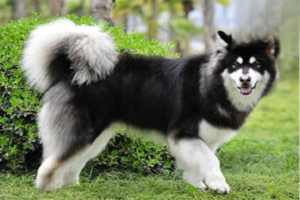
Itching can come from allergies, weather, bedding, diet, nerves, or internal disease — and once parasites are ruled out, corticosteroids often calm it fastest. Find and remove the trigger (switch shampoo, fix diet, control fleas) and see a vet for whole-body or unexplained itching.

Signs of Diabetes in Dogs
Diabetes is a chronic disease and a common endocrine disorder; prevention and early detection are very important. To detect it early at home, owners need to pay closer attention to the dog's condition. The most typical symptoms of diabetes are excessive drinking and urination, messy coat, and lethargy. When a dog's water intake and urination are found to increase suddenly for no reason, owners should be careful.

Symptoms of Urinary Tract Infection in Dogs
Dogs, like humans, can develop diseases caused by bacterial infections, such as bacterial cystitis and urinary tract infections-urinary system diseases that greatly affect canines. So how does this disease develop, and what should dog owners watch out for?

Understanding Why Dogs Eat Grass
It is normal for a dog to eat grass during a walk; this is a normal activity for dogs, and you need not worry about the dog's appetite or bowel movements.