Search Results
259 results for “viral enteritis”

Why Your Cat Vomits Yellow Foamy Liquid
When a cat vomits yellow fluid, there is surely a stomach or intestine problem. There are many causes - mild and severe. Generally causes include gastroenteritis, intestinal parasites, viral infection, and nervous system disease and liver-kidney-pancreas problems. For such complex causes, generally judge by the cat's symptoms to know the reason, so as to treat correctly. Today we discuss several causes of cats vomiting yellow fluid.
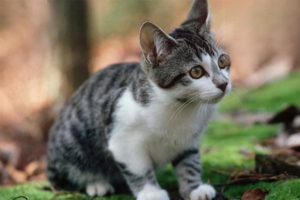
Feline Distemper: Causes, Symptoms, Incubation Period and Treatment
Feline distemper is no joke—it can take a cat's life and spread to more healthy cats, causing more to die from it. So how do cats get it, and how should feline distemper be treated?

What to Do When Cats and Dogs Have Diarrhea and Won’t Eat
When the weather turns cold, pets need more energy to stay warm, and while supplementing their nutrition it is equally important to pay attention to their gastrointestinal health. Diarrhea is a common digestive symptom in dogs and cats, and it is also a frequent ailment in dogs and cats during autumn and winter.

Symptoms and Treatment of Canine Distemper
Canine distemper is a highly contagious disease caused by the canine distemper virus (CDV). It is extremely infectious, has a high incidence, varied clinical signs, and easily leads to mixed and secondary infection with other bacteria and viruses; mortality can reach 80%. Recovered animals often keep sequelae such as paralysis, convulsions, and epilepsy.

Why Cats Get Feline Panleukopenia
Feline panleukopenia, also called feline distemper, feline infectious enteritis, or feline parvovirus infection, is an acute, highly contagious disease of cats caused by the feline panleukopenia virus. It shows as sudden high fever, stubborn vomiting, diarrhea, dehydration, and severe leukopenia, and is one of the most important feline infectious diseases.
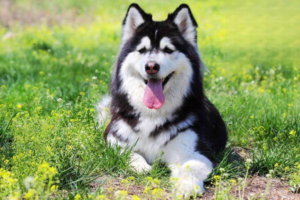
What Causes Diarrhea in Dogs
In our daily life, dog diarrhea is common. There are many causes; owners must not take it lightly, because diarrhea may signal other diseases, so find the specific cause for correct treatment. So how do dogs get diarrhea?

Three Common Dog Illnesses in Autumn and Winter
Cooler months bring three common threats: colds, bronchitis and gastroenteritis. Know the signs, keep your dog warm and dry, and consult a vet if symptoms linger or worsen.

What Is Canine Parvovirus Infection
Canine parvovirus infection is a viral infectious disease caused by canine parvovirus, characterized by hemorrhagic enteritis or non-suppurative myocarditis. It spreads quickly and has a high mortality rate.

Canine Rotavirus Infection
Canine rotavirus infection is an acute contagious disease that mainly affects newborn puppies, clinically characterized by watery diarrhea; adult dogs are usually subclinical. The disease spreads quickly where hygiene is poor.

Treatment of Early-Stage Canine Distemper
The canine distemper virus is highly contagious and deadly. Early on there is a biphasic high fever with cold-like signs, later bronchitis, catarrhal pneumonia, and gastroenteritis. Late stage brings neurological signs such as spasms and convulsions. Some dogs show local hardening of the nose and paw pads.