Search Results
259 results for “viral enteritis”
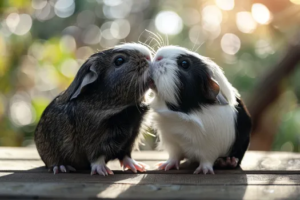
Symptoms of Viral Enteritis in Guinea Pigs
Viral enteritis in guinea pigs comes in acute, subacute, and chronic forms. The acute type kills with no warning — a normal-looking, plump animal drops dead; subacute brings lethargy, appetite loss, and finally blood in the stool over 10–15 days; chronic causes slow wasting and a crusted, hairless 'sore eye' ring. It is highly fatal, so early treatment is the only way to raise the odds.

Dog Viral Enteritis: Causes, Signs, and Care
Viral enteritis causes diarrhea and vomiting in dogs and can dehydrate puppies fast enough to be life-threatening. Withholding food while keeping water up, small frequent meals, and prompt vet care for severe cases are the main steps.
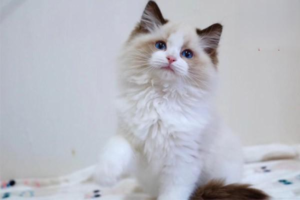
How to Tell Cat Distemper from Gastroenteritis
Cat distemper (panleukopenia) runs in stages — latent, then falling appetite, then vomiting and diarrhea with dehydration and fever, then a critical phase with watery stool and anemia. The key point: distemper is a viral gastroenteritis, far more dangerous than ordinary gut inflammation.

How to Prevent Recurring Gastroenteritis in Dogs
Recurring dog gastroenteritis comes from primary causes (bad food, drug reactions, irregular feeding) or secondary ones (internal parasites and viruses like distemper, coronavirus, and parvovirus). Prevention centers on keeping trash away, noting food allergies, small frequent meals with a gradual 7-day food switch, timely vaccination, and regular deworming (monthly for raw-meat diets).

How to Recognize Acute Gastroenteritis in Dogs
Acute gastroenteritis shows up as soft, watery, sometimes bloody stool; a hunched back from abdominal pain; repeated vomiting; and, when a virus is involved, fever and lethargy. Get the dog to a vet promptly to rule out distemper, parvovirus, or coronavirus, then support with fasting, fluids, anti-emetics, and gut antibiotics.

Cat Gastroenteritis: What to Do
The most common sign of cat gastroenteritis is inflammation of the stomach and intestinal mucosa. It occurs often and has many causes, split into acute and chronic forms. Here are the symptoms and treatment.

Rabbit ‘Big Belly’ Disease (Enteritis/Bloat): Causes & Care
Rabbit 'big belly' disease is a fast, often fatal gut illness from mixed E. coli/coccidia infection, viral diarrhea, or low fiber. This guide covers its signs, prevention (clean feed, grass), and treatment (fasting, gentamicin, probiotics).

Gastroenteritis in Dogs and Cats: Types, Symptoms & Medication
Gastroenteritis in dogs and cats spans gastritis (acute/chronic) and enteritis (viral, bacterial, parasitic). This guide covers causes, symptoms, and the medication approach—anti-inflammatories, anti-vomiting, anti-diarrhea, dewormers, probiotics—plus prevention.

Cat Gastroenteritis vs. Feline Panleukopenia (Cat Plague)
Cat gastroenteritis and feline panleukopenia share symptoms like diarrhea and vomiting, so they're hard to tell apart — but their causes differ sharply. Panleukopenia is viral, fast-moving, contagious, and often fatal, while gastroenteritis is frequently diet-related and has a high cure rate. The clearest clue is body temperature.
How do I treat my cat’s gastroenteritis with diarrhea and vomiting?
For gastroenteritis with diarrhea and vomiting, take the cat to a vet for an anti-emetic shot, then tests to find the pathogen and use antibiotics, gut protectants and antivirals. If a vet is inconvenient, fast half a day, then give antibiotics, anti-emetics, protectants and probiotics.