Search Results
255 results for “veterinary surgery”

Treatment and Prevention of Stud Tail Dermatitis in Cats
Stud tail is usually mild but recurs and needs ongoing care. Treatment includes medicated benzoyl-peroxide baths, topical antibiotics, neutering, and—if severe—cellulitis care. Prevention centers on diet, hygiene, and neutering.

Which Parts of a Cat Are Prone to Fractures?
Cats love high perches and door ledges, so they easily fall or get a limb caught in a door - from a limp at best to partial paralysis at worst. Today we look at the fracture sites cats commonly suffer.
Are Upright-Eared Dogs Smarter?
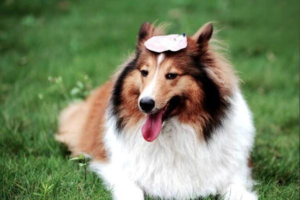
Upright-eared breeds are many and look sharp, but ear shape has no link to intelligence; it is genetic. If an adult fails to stand its ears, check for mixed breeding, calcium deficiency, or ear infection rather than assuming it is normal.

How to Treat Cat Cataracts
In humans, cataracts are the top cause of blindness. In cats they're rarer but still serious; untreated they can blind the cat. Here we explain treatment.

Can You Neuter a Hamster?
Neutering a hamster isn't realistically available and carries high risk from anesthesia and tiny size. This guide explains why and how to manage breeding instead — mainly one hamster per cage.

Causes and Prevention of Urinary Stones in Rabbits
The leading cause of urinary stones in rabbits is insufficient water intake, with excess calcium and individual predisposition also playing a role. This guide covers the symptoms, underlying causes, and how to manage and prevent the condition.

What Causes Intestinal Intussusception in Dogs?
Intestinal intussusception in dogs is mainly caused by intestinal stasis, twisting, or prolapse, and playful puppies with big appetites are especially prone. Over-hunger, cold milk, poor food, and cold water can trigger it, as can secondary diseases. Symptoms include vomiting, abdominal pain, and appetite loss; seek veterinary care promptly to avoid a life-threatening blockage.

Feline Urethral Obstruction: Causes, Symptoms, Treatment, and Prevention
Urethral obstruction mostly affects male cats aged 1-6. Causes include urinary stones, crystals, inflammation, and muscle spasms; signs are frequent urging, straining, reduced output, and blood-tinged urine. Left untreated it can lead to uremia, kidney failure, and bladder rupture — life-threatening. If obstruction is suspected, take the cat to a vet immediately for catheterization, then diagnose the underlying cause and treat it. Prevention focuses on hydration, diet, and stress reduction.

What Are the Symptoms of Low Blood Sugar (Hypoglycemia) in Cats?
Symptoms of feline hypoglycemia include seizures, weak or limp limbs, lethargy, slowed responses, and pale gums. It is confirmed with a blood chemistry test, and treatment must address the underlying cause. This article details the causes and treatment of low blood sugar in cats.

Benefits of Spaying Your Cat and What to Prepare
Spaying removes a female cat's ovaries and uterus (or a male's testes) so she or he cannot reproduce, and it greatly lowers the risk of reproductive diseases and problem behaviors. This guide covers the benefits plus the health checks, fasting, and aftercare you need to get right.