Search Results
255 results for “veterinary surgery”

Feline Lower Urinary Tract Disease (FLUTD): Causes, Signs and Treatment
Feline lower urinary tract syndrome (FLUTD) is divided into obstructive and non-obstructive types. Obstructive means the urethra is fully or partially blocked. Within 2–3 days of complete blockage, urine retained in the bladder flows backward to the kidneys; this back-pressure suppresses glomerular filtration, causing waste and toxins to accumulate in the blood and leading to uremia. If not treated within 3–6 days, the cat can die. The non-obstructive type is milder; with prompt catheterization and proper daily care, it largely resolves on its own within a week.

The Pros and Cons of Cutting a Dog’s Quick
Cutting a dog's quick keeps overgrown nails from causing pain and bone problems, especially in small breeds with little exercise. It is a painful surgery best done by a vet in puppyhood.
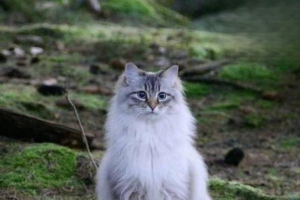
Cat Conjunctivitis: Symptoms and Treatment
Conjunctivitis is one of the most common eye diseases in cats, with the highest incidence in kittens. Every good owner should learn the basics of feline eye conditions to prevent and treat them before a small problem becomes a big one.

How to Treat a Cat’s Corneal Ulcer
The main goal in treating corneal ulcers is to find and treat the cause, prevent secondary infection, and promote healing. With the trigger removed and proper treatment, mild ulcers usually heal within 7 days. Slow or rapidly worsening ulcers need longer treatment.

Why Is My Cat Sneezing
Pets and people sneeze for two usual reasons: inflamed nasal lining or a foreign object in the nostril. If exposed to irritants or a respiratory infection, the lining inflames.

Treatment of Intestinal Obstruction in Dogs
Intestinal obstruction in dogs is caused by a narrow lumen, volvulus, intussusception, paralysis, or spasm that blocks passage of gut contents. It may be partial or complete, with severe pain and clear systemic signs. Here is how it is treated.
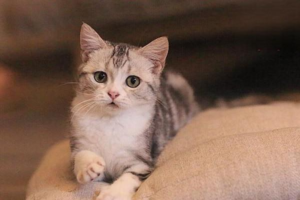
Causes and Types of Cat Anemia
Cat anemia arises from poor nutrition, parasites, leukemia or kidney disease, blood loss, bone marrow defects, and poisons such as onions or rodenticide, and is classified as regenerative (blood loss or hemolysis) or non-regenerative (marrow or systemic disease). A vet must identify the type and cause quickly because most underlying diseases have serious complications.

Can Cat Anemia Heal on Its Own?
Cat anemia rarely resolves on its own except in kittens with simple nutritional deficiency, which often improves after diet correction. Most cases, caused by parasites, disease, toxins, or blood loss, require veterinary diagnosis and treatment of the underlying cause, plus nutritional support and, when severe, a blood transfusion.
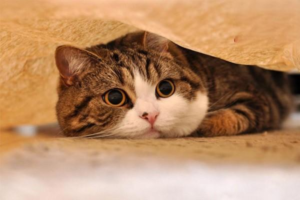
What to Do When a Neutered Male Cat Eliminates Outside the Litter Box
It is common for a male cat to eliminate outside the litter box after neutering, but if the behavior persists you should address it. The main causes are leftover hormones, established habits, surgical stress, or incomplete neutering, and most cases improve with retraining, odor removal, and reassurance.

Gastroenteritis in Dogs and Cats: Types, Symptoms & Medication
Gastroenteritis in dogs and cats spans gastritis (acute/chronic) and enteritis (viral, bacterial, parasitic). This guide covers causes, symptoms, and the medication approach—anti-inflammatories, anti-vomiting, anti-diarrhea, dewormers, probiotics—plus prevention.