Search Results
1129 results for “veterinary exam”

How Long Does a Hamster Cold Last?
A hamster cold usually lasts about three to five days, but the exact time depends on the individual, how severe the illness is, and the treatment given. Mild cases can recover in one to two days, while severe ones take longer. Signs resemble human colds: sneezing, runny nose, coughing, and reduced appetite, with the hamster becoming quiet and inactive. Keep the animal warm and hydrated and see a veterinarian promptly for proper care.

What Is Canine Hemangiosarcoma
Hemangiosarcoma is a malignant tumor that arises from the cells lining a dog's blood vessels. It grows fast, invades deeply, and often spreads to the lungs and liver before it is noticed. Middle-aged and older dogs are most at risk, with some breeds more prone than others. Knowing the signs and the guarded prognosis helps owners make timely decisions.
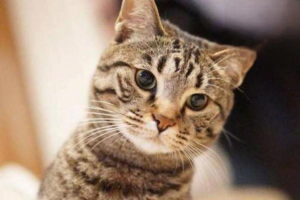
Why Your Cat’s Diarrhea Persists Despite Probiotics
It is a common story: your cat has soft stool or diarrhea, you reach for a probiotic, and the problem does not go away. Probiotics can help the gut, but they are not a cure for every loose stool, and not every product on the shelf is what it claims to be. Understanding why they sometimes fail points you toward the real fix.
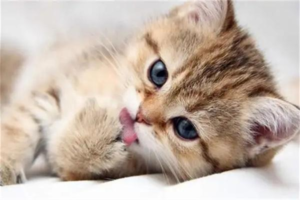
Why Is My Cat Drooling?
Cats drool for many reasons, from normal relaxation to illness or disease, so judge by the situation and the cat's mood. Drooling during sleep or when the cat is content is usually nothing to worry about. But if the saliva is foul-smelling or comes with other symptoms, watch closely, check the mouth for foreign objects, and if drooling persists with signs of discomfort, see a veterinarian. Common causes include deep relaxation, something stuck in the mouth, outside triggers like food smells, and oral disease such as periodontal problems or stomatitis, which often produce smelly drool.

Health Check and Prep Before Bringing a New Cat Home
Before a new cat comes home, a health check is the smart first step, plus a few daily supplies once it arrives. A pre-purchase exam, blood and stool tests, and X-rays map out the kitten's condition. Then watch for the big early risks: panleukopenia, cat flu, ear mites, and gastroenteritis. Avoid baths or shaving unless a skin issue demands it, since the stress can trigger behavior problems and illness. Knowing the warning signs helps you act fast.

A Sudden Lump Appears on Your Dog
You may have experienced this: a dog that was fine a moment ago suddenly sprouts a big lump. Understandably worrying—'is it cancer? a terminal disease? a bug bite?' Learn to judge the cause yourself. Reassurance first: most lumps are benign lipomas and not hard to manage. Causes include lipoma, sebaceous cyst, hematoma, and follicle infection. Many lumps appear and vanish quickly, but answer 7 questions before relaxing: appeared suddenly? slowly growing? smooth surface? uneven? moved recently? other lumps nearby? after it appeared, any appetite loss, lethargy, vomiting, diarrhea, or behavior change? More than 4 'yes' answers means see a vet at once. Urgent signs also include rapid growth, changing shape, very soft texture, hair loss around it, or color unlike skin. Treatment: benign lumps are not costly, but no vet can diagnose by feel alone—responsible ones aspirate tissue fluid and may run blood tests and X-rays, because accurate diagnosis needs multiple tests.

Can Dogs Drink Alcohol?
A dog's body cannot metabolize alcohol, so for a dog, any alcoholic drink is poison. Whether baijiu or beer, the active agent is ethanol; if ethanol is the main threat to a dog's health, the other ingredients are accomplices—the enzymes in wine, for example. Dogs do not 'like' alcohol; from a dog's view these liquids that help humans forget their worries are just odd-smelling substances. After ingestion a dog quickly shows drunkenness: loss of coordination, drooling, racing heart, low temperature, dropping blood sugar, weakness, even coma. Unlike humans (who often die from aspirating vomit), 99% of dogs die from respiratory failure as the body mobilizes everything to break down ethanol, then breathing slows and stops. The best rescue window is 20–40 minutes—get to a vet, do not induce vomiting at home. Even survivors can suffer kidney, liver, or heart failure. Spirits, wine (grapes are toxic to dogs), and beer (most dogs are allergic to hops) are all dangerous.

Why Isn’t My Ragdoll Cat Gaining Weight?
Ragdoll cats that eat plenty but never seem to gain weight worry many owners, yet the cause is not always disease. Genetics, low activity, or an unbalanced diet may simply mean your cat burns or absorbs fewer calories than expected. Parasites are another common culprit that blocks nutrient absorption. If diet and exercise adjustments bring no improvement, a veterinary check-up can rule out hyperthyroidism, digestive disorders, or liver problems. This article explains the likely causes and the practical steps you can take at home to help your Ragdoll reach a healthy weight.

What to Do If Your Dog or Cat Has Tapeworms
Many species of tapeworms parasitize dogs and cats, and the adult worms seriously harm their health, while the larval stages often use livestock or humans as intermediate hosts, threatening both animals and people. Common species include Dipylidium caninum, Taenia spp., Echinococcus granulosus, Mesocestoides, Spirometra mansoni, and Diphyllobothrium. Infection causes intestinal inflammation, malnutrition, and in severe cases intestinal blockage, with signs like vomiting, diarrhea, weight loss, and odd behavior. Diagnosis relies on clinical signs plus fecal egg exams. Prevention means regular deworming, not feeding raw offal, and controlling fleas. Treatment uses praziquantel (5 mg/kg dogs, 2 mg/kg cats), arecoline hydrobromide, bunamidine, or fenbendazole under veterinary guidance. Because some tapeworms (like Echinococcus) also endanger human health, prompt and correct control matters.
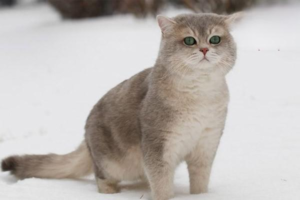
Why Does My Cat Always Lie Down? Understanding Feline Arthritis
If your cat spends most of its time lying down, walks with a limp, or refuses to be touched on the hind legs, it may be suffering from arthritis—a condition that affects up to 90% of cats as they age. Arthritis is the inflammation and degeneration of joint cartilage, most often secondary (degenerative) arthritis, which worsens as cats grow older. Cats are masters at hiding pain, so signs like reluctance to jump, reduced grooming, increased sleeping, and irritability can easily go unnoticed. Causes include aging, genetics, obesity, injury, and acromegaly. Treatment combines veterinarian-supervised medication (NSAIDs such as meloxicam), weight management with omega-3 and glucosamine supplements, and environmental adjustments like steps and soft bedding. Prevention starts with a healthy diet and keeping your cat lean.