Search Results
1129 results for “veterinary exam”

Health Checks to Do After Rescuing a Stray Cat
Before a stray cat joins your home, a veterinary check-up protects the cat, any resident pets, and your family. Strays can carry parasites, skin disease, or hidden infections, so a targeted exam is worth the cost. Core tests include a physical exam, infectious-disease screening (panleukopenia, coronavirus, calicivirus, herpesvirus; add FIV and FeLV if you have other cats), a fecal exam for internal parasites, and a blood count to flag anemia, inflammation, or dehydration. Imaging or a Toxoplasma test may be added for specific risks. To keep costs down, ask clinics about rescue discounts, look for packaged wellness plans, and have the vet handle basic grooming during the visit. Always isolate the new cat for 7–14 days, deflea and deworm, then start vaccines once it has settled in.

Why Has Your Cat Suddenly Become Aggressive?
A cat can turn aggressive for many reasons, including physical health problems, social conflict, bad past experiences, lack of play and stimulation, and fear or stress. Owners should learn their cat's physical and emotional needs and provide affection, social contact, stimulation, and a safe environment to prevent negative moods. If the aggression persists or worsens, have the cat checked at a veterinary clinic and, when needed, consult a professional animal behaviorist.

CoQ10 for Senior Pets with Early Heart Enlargement: What Owners Should Know
Cardiac enlargement in senior dogs and cats is not a single disease but a compensatory change—thickened heart muscle—that often appears with valve disease or cardiomyopathy. Under the ACVIM system, Stage B (split into B1 and B2) means structural changes are visible on X-ray or exam, yet the pet shows no obvious heart-failure signs, making it the ideal window for early support. CoQ10, a fat-soluble compound naturally made in heart cells, powers mitochondrial energy production and shields tissue from oxidative damage. Because endogenous CoQ10 falls sharply with age, supplementation is one of the most studied, low-cost veterinary adjuncts for cardiac care. This article explains Stage B heart enlargement, why CoQ10 helps, how to choose a transparently labeled pet-specific supplement, and the daily diet, exercise, and recheck habits that protect an aging heart.

Why Is My Dog in Pain When Urinating?
When a dog shows pain while urinating, the cause is usually a problem in the urinary tract, such as a urinary infection, bladder stones or crystals, or a blockage. Along with painful urination, you may notice frequent or urgent attempts to urinate, straining, reduced output, blood in the urine, cloudy or pus-like urine, or a complete inability to pass urine. Because these conditions can quickly become serious, any sign of painful urination means your dog should be seen by a veterinarian promptly. Diagnosis may involve urinalysis, X-rays, ultrasound, or other tests, and treatment is chosen according to severity, ranging from relieving a blockage and catheterization to medication or surgery.
Does Your Dog Really Need Monthly Deworming? (Avoid One-Size-Fits-All)
Deworming frequency should follow the dog's age, health, and lifestyle, not a rigid monthly rule—dewormers are broken down by the liver and kidneys, and overuse burdens the body. Puppies start at 45 days and go monthly until 6 months; after that, internal deworming drops to every 3 months while external stays monthly. The schedule is flexible: a mostly-indoor dog in the cold season, when fleas and ticks breed less, can be treated less often, and a sick, pregnant, or senior dog may need a pause or lower frequency. Match the plan to real risk.

Why Does My Cat Keep Sticking Out Its Tongue?
A cat that keeps its tongue out is not always being cute, it can signal an underlying issue. Mild tongue protrusion is normal when a cat pants to cool down in heat, but it may also point to respiratory problems such as infection, asthma, allergies, or a foreign object in the airway, often with coughing or labored breathing. Oral pain, stress and fear, and certain heart conditions can also cause it. Provide a cool, calm environment and comfort a stressed cat, but if the behavior persists or comes with other symptoms, have a veterinarian check for respiratory, oral, or cardiac causes.

What to Do When Your Dog Has Intestinal Scratches
Intestinal scratches in dogs are most often caused by swallowing sharp foreign objects such as glass shards, fish bones, or bone fragments. These items can lacerate the intestinal wall and lead to bleeding and infection. If you suspect your dog has an injured intestine, stay calm and take it to a veterinary clinic for examination and treatment as soon as possible. Mild scratches without a retained object may only require anti-inflammatory medication to prevent infection, while cases involving a foreign body need the object removed before further treatment. This article explains the common causes, warning signs, treatment options, and everyday prevention measures so you can act quickly and protect your dog's digestive health.

Why Is Your Dog Gasping or Breathing Rapidly?
Occasional rapid breathing or gasping is normal after exercise or in heat and settles quickly. But it can also signal disease: respiratory infection, a blocked esophagus, tracheal stenosis, or heart problems. If it is frequent or lasts long, see a veterinarian. Prevent issues by keeping air fresh, grooming and deworming regularly, avoiding smoke and strong odors, and scheduling routine checkups.

How Much Does It Cost to Keep a Dog Per Month?
Monthly dog ownership costs cover food, treats, chew toys, bathing, and parasite prevention, varying by breed, age, and lifestyle. In a typical city, budget at least 700–900 yuan a month, rising to around 1,500 yuan or more with extras like grooming, vaccines, supplies, or illness. But money isn't the whole cost—dogs also need your time, energy, and love. Make sure you're financially and mentally ready before bringing one home; the companionship they give is beyond price.
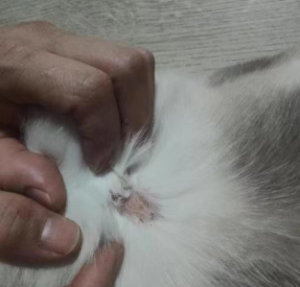
A Cat Ringworm Case: Diagnosis and Treatment
A 5-month Ragdoll with an oval bald patch, scales, and mild crusting on the neck turned out to be ringworm—confirmed by a Wood's lamp and typical signs. Treated with fur-clipping, cleaning, an antifungal spray and ointment, vitamin B, and an E-collar, he improved within a week. The case shows why vet confirmation and full-course treatment matter.