Search Results
763 results for “vet visit”
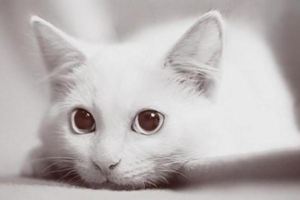
Kitten Has Diarrhea, Won’t Eat, and Is Lethargic
Diarrhea with no appetite and low energy in a kitten usually means a diet switch, gastritis, or worms. A probiotic and easy food help mild cases; severe ones need a fasting period and a vet. Find the cause before treating, and deworm every three months.
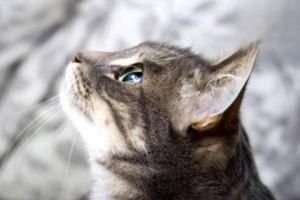
Why Your Cat Has Diarrhea After Deworming
Mild diarrhea after deworming is common — usually dead parasites irritating the gut or a sensitive stomach — and settles in 2–3 days. Keep the cat hydrated, add a probiotic, and see a vet if soft stool lasts beyond three days. Dose strictly by weight.

Why Are My Teddy Dog’s Eyes Red?
Red, irritated eyes are common in dogs and can range from harmless to serious. Frequent triggers include exercise, diet-related 'heat,' foreign objects, infections, and injuries. Most mild cases improve with gentle cleaning, but persistent redness needs a vet check to protect your dog's vision.

Cat Eye Inflammation: Symptoms and Treatment
Cat eye inflammation brings tearing, swelling, and discharge, often from a scratch or irritation. Clean gently with a pet eye wash, never human drops, and see a vet for anything that will not open.

What Colors Can Dogs See?
Dogs see fewer colors than people and read the world in yellows, blues, and grays, but they outsee us in dim light thanks to a reflective retina layer. Breed shape tweaks focus and field of view, and any eye irritation needs a vet, not a DIY poke.

Dog Viral Enteritis: Causes, Signs, and Care
Viral enteritis causes diarrhea and vomiting in dogs and can dehydrate puppies fast enough to be life-threatening. Withholding food while keeping water up, small frequent meals, and prompt vet care for severe cases are the main steps.

What to Do When Your Cat’s Eye Is Inflamed
An inflamed cat eye brings constant tearing, swelling, redness, and more discharge. Wipe gently with a warm cotton ball and use a cat-specific eye drop for mild cases, but never human drops. If discharge seals the eye shut or an injury is suspected, see a vet — and keep the cat out of bright light.

What to Do When Your Dog Is Constipated
Constipation in dogs usually improves with diet and routine changes — rotate the kibble, mix in plain yogurt, keep water and vegetables available, offer probiotics and a little honey water, and ensure daily exercise. High-fiber food and portion control prevent most cases; if home care fails, a veterinary visit is needed.

What to Do When Your Cat Has Watery Eyes and Sneezes
Watery eyes and sneezing in cats are usually a simple cold, feline herpesvirus (rhinotracheitis), or allergic rhinitis — not always panleukopenia, as many owners fear. Matching the cause to the right care matters, and severe or low-energy cases need a veterinarian. Keep the environment dust-free and ask your vet about helpful supplements.

Black Specks in Your Cat’s Fur: What They Mean
Tiny black specks hidden in your cat's coat are most often flea dirt, but they can also signal ringworm or another external parasite. The quick paper test — a damp tissue turning reddish-brown — confirms flea waste. Routine parasite control and a clean, dry environment are the best defenses.