Search Results
763 results for “vet visit”

Are Cats Born Timid?
Cats are not born fearful — early experience and steady socialization shape how bold they become. With patience, even shy kittens and adult cats can learn to handle the vet, leashed outings, and strangers.
Is Your Cat’s Vomiting a Sign of Illness?
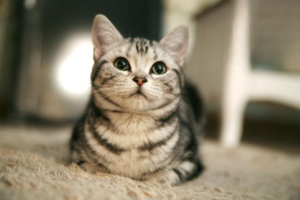
Occasional vomiting in cats has many causes, from harmless hairballs to serious disease. Knowing which warning signs point to a real medical problem — and what to track before you call the vet — helps you act at the right time.

How to Train a Cat That Poops or Pees Outside the Litter Box
When a cat starts eliminating outside the litter box, it is usually signaling something specific: an unpleasant box, stress, a medical problem, or territorial marking. Figuring out which pattern you are seeing is the key first step, and most cases improve once the underlying cause is addressed.

Do Hot Ears Mean Your Cat Has a Fever
Hot ears don't always mean fever. A cat's weak sweat glands make it heat up in a warm room, and thin ear skin warms fast, so offer water and shade first. True fever brings dullness, dry nose, and poor appetite, and a thermometer confirms it.

Cat Has Diarrhea but Plenty of Energy
A cat with diarrhea but normal energy worries many owners, yet it's often mild. Diet changes, gastritis, or parasites are the common triggers. A gradual food switch, a probiotic, and routine deworming usually settle it; see a vet if it doesn't improve.

Why Your Cat Has a Lot of Eye Discharge
A little eye discharge is normal, but a sudden gush of it is not. The cause may be diet-related heat, keratitis, dacryocystitis, or an injury. Clean gently with warm water and see a vet when the discharge is colored, foul, or paired with redness.
Why Your Cat’s Eyes Are Inflamed and Tearing Up
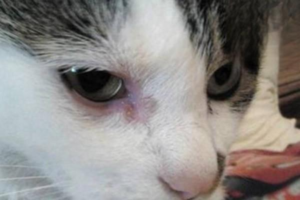
Eye inflammation is a common feline eye problem that won't clear up on its own, so it needs attention. Signs include constant tearing, swollen red eyes, and thicker discharge. Mild cases can be cleaned with cat-specific eye drops, but a vet check is the safe move when symptoms appear.

Why Your Dog Lost Its Appetite and Energy
A dog that stops eating and goes quiet may have a troubled stomach, parasites, an internal illness, or simply picky habits. Match the cause to the fix: adjust the diet, deworm on schedule, or see a vet when illness is the culprit.

What Are the Signs of Fever in a Dog?
A dog with a fever loses interest in food, turns quiet and withdrawn, and develops a dry, hot nose and ears. Catching these signals early lets you check the temperature and start cooling before the illness worsens.

What to Do When Your Dog Has Recurring Tummy Troubles
Many dogs have sensitive stomachs that react to food that is too hot or too cold, or meals that are too large or too small, leading to diarrhea, vomiting, or constipation. A daily probiotic can help rebalance gut bacteria and support digestion, but it works best alongside sensible feeding habits.