Search Results
266 results for “ventilation”

Can Hamsters Die from Sunlight?
Hamsters can die from too much sun. As nocturnal animals, they prefer cool, dim environments, and direct exposure to strong sunlight can seriously harm their health. Their thin skin burns easily under UV rays, their eyes are adapted to darkness and can be damaged by bright light, and because they cannot regulate body temperature like humans, they overheat quickly and may suffer heatstroke, dehydration, or heat exhaustion. To keep a hamster safe, avoid prolonged sun exposure, maintain a habitat around 18-24°C with shade and good ventilation, and always provide fresh water.
What are a rabbit’s living habits?
Rabbits are nocturnal - more active and hungry at night, resting by day. They are solitary (one per cage) and prefer dry, ventilated, cool environments; avoid heat and humidity.

How to Care for Your Cat in Summer
Cats have thick coats and dislike heat, so summer care centers on safe cooling to prevent heatstroke. Move the bed to a cool indoor spot, offer a cooling mat, trim only the paw fur (never shave—UV then damages skin), and keep air flowing with a fan or AC set no lower than comfortable, avoiding big temperature swings. Cats shed heat through their paw pads, so shorter paw hair helps. Hydration matters because fast summer metabolism raises dehydration risk—encourage drinking. Feed fresh food in small portions and clear leftovers fast, since wet food spoils quickly in the heat. These steps keep a cat comfortable through summer.

Summer Hazards for Cats
Summer is a rough season for cats. With poor sweating, they overheat fast - five minutes on hot asphalt, in a sealed space or on a sunny balcony can cause heatstroke: high temperature, fast pulse, panting, then dizziness, vomiting and coma. Move them to shade and cool with water or a fan, and rush to the vet if it does not ease. Warm weather also brings acute gastritis from spoiled food (limit water and feed easily digested fluids) and skin disease from fleas, mites and fungi - treat the cause and keep up prevention with cleaning and deworming.

How to Prepare Your Cat for Car Travel
Taking a cat out by car - for a vet visit, a move, or a trip - is stressful for both pet and owner. Most cats associate the carrier with bad experiences, which triggers fear and anxiety. The good news is that with preparation you can make travel far easier. This guide covers three areas: getting your cat comfortable with the carrier, preventing travel stress and motion sickness, and what to do on the day of the trip. With the right carrier, familiar scents, pheromones and a little fasting before departure, car rides can become calm and safe.

Emergency Care for a Pet With Heatstroke
Dogs cool only through their paw pads and tongue, so a thick coat turns summer into a sweater; heat, humidity, no water, hard exercise, or even clothes and shoes can tip them into heatstroke. Know the signs, and if you cannot reach a clinic, cool the body safely while rushing for help. This guide covers causes, symptoms, and emergency steps.

How to Prevent Dog Asthma Attacks
Dog asthma cannot be cured, only controlled through careful care, which usually keeps attacks at bay. To lower the chance of an attack, keep the environment clean and disinfected, groom the dog regularly, ventilate the home and avoid strong smells, and prevent intense exercise or over-excitement. If an attack happens, consult a veterinarian before giving any medication; never dose blindly. With good management, asthma can be controlled effectively.

How to Cure Cat Ringworm for Good
Ringworm is simply a fungal infection, so curing it means attacking the fungus at its root while strengthening the cat's own defenses. Some cats in the same home get it and others do not, and the difference is immune strength. This guide explains why ringworm appears, how to treat mild and severe cases, and how to stop it from coming back by boosting immunity and keeping the environment clean.

What to Watch For When Caring for Rabbits in Summer
Hot, humid summer weather breeds bacteria and challenges rabbit health, so extra care is needed. To help your rabbit thrive, focus on cooling and sun protection, keep the hutch at a comfortable temperature with good airflow and less UV exposure to prevent heatstroke, adjust the diet with plenty of fresh water and food, and control pests so mosquitoes and flies don't plague your pet. This article walks through the key summer care measures every owner should follow.
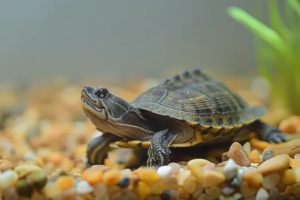
What to Do After Your Yellow-Margined Box Turtle Lays Eggs
After a yellow-margined box turtle lays eggs, move them to an incubator with the right conditions. Manage temperature and humidity carefully: aim for 25 to 30°C overall, with humidity near 65% in the first 25 days, 70% in the middle period (days 26 to 50), and 80% later (days 55 to 75). Also check that the eggs' air pores stay clear—blocked ventilation can stop development or kill the embryo. This article walks through the incubation care that helps your eggs hatch in about two to three months.