Search Results
266 results for “ventilation”

Cockatiel: Habits and Breeding Performance
The cockatiel is a quiet, musical parrot that is hardy, disease-resistant and easy to keep, but needs a metal cage (it chews wood) and a varied diet. Its breeding season runs August to December, with 4–7 white eggs incubated about 18–20 days, and it can raise 3–4 clutches a year. Stop breeding in hot July–August and in old age, and keep the environment quiet and warm during incubation.

What Do Golden Hamsters Eat? How to Care for Them
Golden hamsters are omnivores that hoard food, so offer staples (pellets, oats, millet) plus small amounts of safe fruit, veg, meat, and insects — never apple seeds, onions, chocolate, or human food. Keep them at 20–28°C with soft bedding and good ventilation.
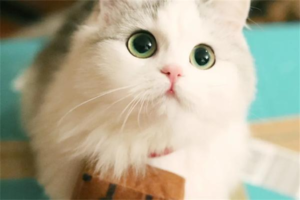
Cat Sinusitis: Causes, Symptoms, and Treatment
Cat sinusitis is common, usually from bacteria, viruses, fungi, or irritants, causing sneezing, nasal discharge, congestion, breathing trouble, snoring, red watery eyes, poor appetite, and lethargy. Severe cases show blood-tinged, foul-smelling discharge and may lead to brain complications. Treatment depends on cause and severity: bacterial cases need antibiotics, viral cases antivirals, plus nasal flushing and a cleaner environment.

Listless and Limp Turtle: Understanding Turtle Pneumonia
A turtle that is listless, limp, and refusing food is likely suffering from pneumonia—a serious illness needing prompt veterinary care. Watch for nasal discharge, wheezing, and open-mouth breathing, and treat with antibiotics (gentamicin, amoxicillin, azithromycin) plus warmth and vitamins; prevent it with good ventilation and stable humidity.

Long-Haired Curly Guinea Pig
The Long-Haired Curly Guinea Pig, also known as the long-curly-haired cavy, is a rare and distinctive guinea pig variety native to Peru and Brazil. With its unique curly long coat and gentle nature, it makes a beloved small pet, though its coat requires regular grooming to prevent matting.
How long does a male cat’s urine smell take to fade?
A male cat's urine smells strong and usually takes about two weeks to fade naturally. If it sprays, clean and disinfect the area promptly and use an odor remover; in enclosed spaces also keep ventilation to fully remove the smell.

Chinchilla Care Basics: What Living Environment Do Chinchillas Need?
Chinchillas come from the dry, cool Andes, so they need 10-25 C and 40-60% humidity, dim light, fresh air without drafts, a quiet spot, and a tall cage placed up high where they feel safe.

How to Care for a Pet Rabbit, Especially One Newly Brought Home
Rabbits need hay (alfalfa for young, timothy for adults), pellets and veg twice daily, fresh water, a dry 15-25 C home, and no baths. A new rabbit needs quiet, limited space, separation from residents, and a fecal test (not yet deworming) at the vet.

Common Rabbit Diseases in Winter and How to Prevent Them
Cold, dry winters challenge small, fragile rabbits. To help your rabbit through the season safely, prepare ahead. Here are the diseases rabbits face in winter and how to prevent and treat them.
How long do chinchillas usually live?
Chinchillas generally live about 15 to 20 years. Many factors affect a chinchilla's lifespan; to help it live longer, owners must provide adequate nutrition, a comfortable and clean living environment, good ventilation, and suitable temperatures. You can also prepare its favorite snacks and toys to keep it happy, and watch for any health abnormalities.