Search Results
266 results for “ventilation”
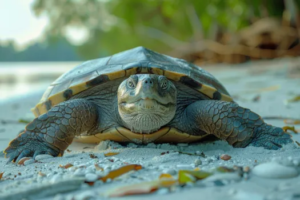
Turtle Colds: Symptoms and Treatment
More people keep turtles as pets now. They are easy to keep but do get sick, and colds are common, so owners should know how to treat one. Here are the symptoms and treatments.

Why Chinchillas Get Heatstroke — and How to Prevent It
Chinchilla heatstroke comes from heat above 30°C, high humidity, heavy exercise, or dehydration. Mild cases droop and lose appetite; severe ones coma, arch the head, stiffen, and foam — and die fast. Keep the environment below 28°C with good ventilation and humidity control, avoid exercise and sun in heat, and always provide water. Indoors is safest.

Rabbit Mange (Scabies): Symptoms and Control
Rabbit mange is a highly contagious mite infestation starting on low-fur areas (nose, eyes, claws, ears) and causing intense itch, scabs, hair loss, weight loss, and death if untreated. Isolate the sick rabbit at once, disinfect everything, and treat mild cases with ivermectin or trichlorfon plus 2% iodine; keep housing clean, dry, and well-lit to prevent it.

Can Rabbit Mange Infect People — and How to Treat It
Rabbit mange rarely spreads to people if your skin is healthy and you wash and disinfect after contact, but those with weak immunity can catch it — wear gloves. Treat by isolating, clipping and cleaning lesions, wiping with 2% iodine, an Elizabethan collar, weekly miticide (trichlorfon) to kill hatched larvae, environmental spraying, and good nutrition.

Tips to Help Your Dog Cool Down in Summer
Dogs have dense coats and suffer in heat, even risking heatstroke, so cool them in hot weather. This article shares tips to help a dog beat the heat.

How to Improve a Young Rabbit’s Constitution
For a strong young rabbit, manage its diet strictly and feed sensibly for balanced nutrition. Also keep its environment suitable and give moderate exercise to boost resistance. This article shares tips to improve a young rabbit's health.

Why Do Dog Vaccinations Sometimes Fail?
Vaccine failure in dogs has many causes — poor nutrition, high maternal antibodies, expired or low-quality vaccines, and stress after vaccination. This article analyzes why dog vaccinations fail and how to avoid it.
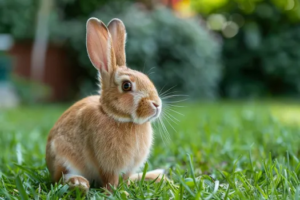
What to Do When a Rabbit Has Heatstroke
Rabbits overheat easily because of their thick coat and poor heat dissipation, and severe heatstroke can be fatal. Move a stricken rabbit to a cool, ventilated place, cool it with a damp towel, and prevent recurrence by keeping cages shaded, well-ventilated and supplied with plenty of water.

Rabbit Stress: Causes, Signs, and How to Avoid It
Rabbits are timid and sharp-eared, so strong or repeated shocks can stress them severely, even fatally. Causes include changed water or feed, weather, noise, light, moves, and strangers; signs are raised pulse and breathing, restlessness or hiding, refusing food, and does crushing or rejecting kits. Avoid stress with steady routines, fixed light, temperature control, quiet, and gradual feed changes.

Preventing and Treating Rabbit Pasteurellosis
Pasteurella multocida lives quietly in the nasal and tonsillar tissue of many healthy rabbits and strikes only when stress or poor husbandry lowers resistance, spreading through secretions and contaminated feed or water. Control it with strict sanitation, regular vaccination, and prompt antibiotic or antiserum treatment.