Search Results
627 results for “urination”
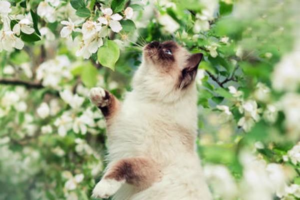
How Weather Affects Your Cat’s Mood and Health
Cats feel weather as keenly as people do, storms, cold, heat, and humidity all shift their mood and health. Watch for heatstroke and hypothermia in extremes, and keep the home between 20 and 25 C with sun, warmth, and steady routine.

Plants That Are Toxic to Dogs
Many common houseplants can poison a dog if chewed, from calcium-oxalate and saponin plants to those with cardiac glycosides, grayanotoxins, or allium compounds. Know the symptoms and keep toxic plants well out of reach.
Bladder and Urethral Stones in Dogs: Symptoms and Treatment
Urinary stones form when minerals crystallize in the bladder or urethra, causing straining, frequent tiny urinations, and blood in the urine. Bladder stones usually need surgical removal; urethral stones are flushed back or taken out surgically. Prevention centers on plenty of water, adequate vitamin A, and a balanced diet rather than an all-meat one.

What Your Dog’s Waste and Walk Reveal About Its Health
Beyond temperature, pulse, and weight, a walk is the best window into your dog's health — watch its gait, expression, and the color and shape of its urine and stool. Red or dark urine can mean bleeding, cloudy urine an infection, shiny urine crystals, and orange urine jaundice; soft, bloody, or black stool points to digestive trouble. Catch these early and bring a fresh sample to the vet.

Is Blood in Your Dog’s Urine Serious?
Blood in urine is often not an emergency — an intact female in heat or a male's mating injury can mimic it — but true hematuria points to the urinary tract. Blood at the start of the stream suggests a lower infection (urethritis, cystitis), at the end an upper one (bladder bleed, nephritis), and throughout with straining suggests the kidney or ureter; any whole-stream bleeding needs prompt vet care, and a urine sample from the first morning (within four hours) helps diagnosis.

Does a Cat Need to Fast Before a Checkup? Pre-Exam Tips
Cats should be checked at least yearly, with tests matched to age — and a little prep improves accuracy. Keep life calm for a week before, fast only if blood glucose or bile-acid tests are planned, and bring a note of any changes (drinking, weight, vomiting, litter habits) to discuss with the vet.

Early Warning Signs That Your Dog Is Sick
Older dogs show sickness through behavior: unwillingness to walk or climb (arthritis, common in Goldens, Labs, Poodles), constant thirst with weight loss (diabetes, more common in females and breeds like Samoyeds and Pugs), frequent falling or bumping (failing vision, often cataracts), and low appetite with excess drinking, vomiting, and diarrhea (kidney disease). Senior dogs can also develop dementia, raising the stakes of losing them.

Neutering a Male Dog: Effects and Benefits
Neutering a male dog is worthwhile: it prevents age-related prostate enlargement (treated by cutting testosterone so the gland shrinks) and removes the cancer risk of undescended testicles, which are also hereditary. The common excuses — 'he won't breed,' 'he'll hold a grudge,' 'just keep him confined' — don't hold up, since intact males roam, fight, and act out from sexual frustration; neutering is no more 'unnatural' than keeping a pet at all.

Why Cats Are Prone to Kidney Disease
Cats evolved in the desert with a weak thirst drive, so they get most of their water from food — dry diets leave them prone to dehydration and urinary crystals. Acute kidney injury usually comes from poisoning or blockages (lilies, chocolate, xylitol, swallowed objects), while chronic kidney disease shows up as extra drinking and weight loss that owners often mistake for improvement. There's no cure for CKD, but early diagnosis keeps it manageable.

Why Chocolate Is Deadly to Dogs
Chocolate contains theobromine and caffeine, which dogs metabolize slowly; even a small amount can overwhelm the heart and nervous system. The risk scales with the dog's size and the chocolate's purity, so dark and baking chocolate are the most dangerous.