Search Results
627 results for “urination”
What Should Cat Litter Look Like After a Normal Urination?
Normally the litter clumps on contact with urine, which is yellow to brown and strong-smelling, forming one large clump. Pink or red color or many tiny clumps suggests a urinary problem such as infection or stones, needing a vet.
Why does my cat only drink water and refuse food after a urinary blockage, with normal energy, no crying, frequent urination but no defecation?
A cat that won't eat after a urinary blockage may still be recovering from the illness. Offer appetite-stimulating foods and syringe-feed small amounts of broth or liquid food frequently. Because of the blockage history, schedule a vet check of the urinary tract and blood work soon.
What is normal urination and defecation for a Doberman puppy?
Normally a Doberman puppy's stool is yellow, soft but not too watery, 1 to 3 times a day. Loose, frequent stool means diarrhea; give probiotics and see a vet if no improvement. Urine is normally pale yellow and clear; dark urine means low water intake, so give warm water.
Hair Loss and Excessive Urination? Symptoms of Hormonal Imbalance in Cats
Feline hormonal (endocrine) imbalance is not one disease but a sign of disorders such as hyperthyroidism, diabetes, Cushing's syndrome, or hypothyroidism. Hyperthyroidism brings ravenous appetite with weight loss, thirst, and overactivity; diabetes causes the 'three polys plus weight loss' and weak hind legs; hypothyroidism shows as lethargy, weight gain, and a dry, thinning coat. See a vet for blood and urine tests if you notice these signs.

Is Urination a Good Sign When a Dog Has Parvovirus?
A dog with parvovirus passing urine is not, by itself, proof of recovery; the real sign is whether the stool becomes formed. A lack of urine often means dehydration from prolonged vomiting and diarrhea. When the dog starts passing formed stools and its energy and appetite return, it is on the mend. Parvo is a fierce, contagious disease, especially in unvaccinated puppies, so early veterinary care is vital.
What Causes Frequent Urination in Dogs?
Frequent urination in dogs can be harmless—extra water or pregnancy—or a sign of diabetes, bladder stones, or a urinary tract infection. Tracking water intake, urine color, and any pain or blood helps tell the difference.
How to Calculate Your Cat’s Daily Water Intake
Cats evolved in arid environments and have a naturally weak thirst drive, so they often fail to drink enough — especially on dry kibble — which strains the urinary system. A practical rule is about 60 ml of water per kilogram of body weight per day, or roughly 1 ml per kcal eaten. Check skin elasticity, coat condition, and 2–3 daily urinations to gauge whether your cat is hydrated.
How to Prevent Heatstroke in Cats
Cats can overheat when confined in hot, poorly ventilated spaces; their thermoneutral zone is about 30–36°C, and indoor heat can exceed that. Signs include panting, 'greasy' sweaty paws, drooling, red mucous membranes, and collapse. Prevention is cooling and hydration; severe cases with seizures or coma need urgent veterinary care.
Places You Should Never Leave Your Dog Alone
Several spots are dangerous to leave a dog alone: balconies (heat, cold, falls), sealed storage rooms (poor air, falling objects), near electrical rooms (urination hazards), bathrooms (toxic products), and cars (rapid heatstroke and suffocation). When in doubt, leave the dog safely at home.
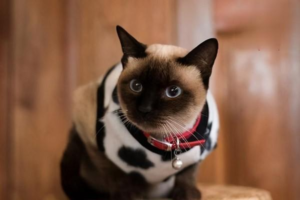
Feline Idiopathic Cystitis: What It Is and How to Help
Feline idiopathic cystitis, or stress-linked cystitis, is the most common lower urinary tract disease in cats, making up about a third of cases. It is diagnosed by ruling out infection and stones, then eased by cutting stress, using facial pheromones, and boosting water intake.