Search Results
148 results for “urinary health”
Can dogs drink tap water?
Not recommended long-term. Occasional tap water when none is available is fine, but impurities burden metabolism and gut. Hard water with calcium and magnesium can cause urinary stones. Prefer cooled boiled water, purified water, or filtered water.
What is the difference between prescription diet and regular pet food?
Prescription diet is an alternative daily pet food formulated for specific conditions; it meets nutritional needs while helping treat and slow disease progression. It is recommended for pets with diabetes, chronic gastrointestinal disease, urinary, liver, or pancreatic conditions, with different formulas for different ailments. Regular food only meets daily nutrition and suits healthy pets.

What Happens When a Dog Has Too Much Phosphorus?
Excess phosphorus in dogs causes thirst, increased urination, fatigue, nausea, vomiting, and cramps, and in severe cases is life-threatening. It usually comes from high-phosphorus food or an underlying disease, so managing the diet and treating the root cause are key.

How Much Water Does a Cat Need Each Day? Even a Little Less Is a Risk
A cat needs about 40–60 ml of water per kg of body weight daily — roughly 200–300 ml for a 5 kg cat. That total includes water from food: dry food is only 5–10% moisture while wet food and fresh diets are 70–80%. Pregnant/nursing mothers need +50%, kittens (3–6 months) 60–80 ml/kg, and hot, dry, or active conditions call for +20–30%. Chronic shortfalls raise the risk of urinary crystals, kidney disease, and constipation.
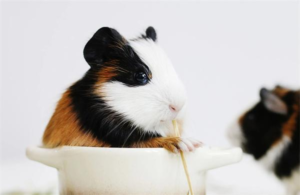
Common Guinea Pig Diseases and Their Symptoms
Guinea pigs commonly suffer digestive troubles (diarrhea, constipation, gut parasites), respiratory infections (pneumonia, bronchitis), skin disease from bacteria, fungus, or external parasites, and urinary issues (cystitis, nephritis). Good diet, clean housing, checkups, and prevention keep them healthy.

How to Manage Incontinence in Senior Dogs
Senior-dog leakage (incontinence) may be physical (aging sphincters, low antidiuretic hormone), disease-related (cystitis, stones, tumors, prostatitis), or behavioral. Get a vet work-up (ultrasound, blood, urinalysis), feed a low-salt easy-to-digest diet, keep things clean, use pads, and support the dog's mood.

What Happens If a Dog Eats Wet Food Long-Term
Wet food adds moisture and appeals to picky eaters, but fed alone long-term it can drive plaque and tartar, pickiness, higher cost, and weight gain. Mix it with dry food and pick a complete, balanced product for best results.

Why Does My Cat Smell Bad
Healthy cats smell little thanks to few sweat glands and constant self-grooming. A strong, lasting odor often points to dental disease, digestive or anal-gland issues, or skin problems. Check the mouth, diet, and coat, and see a vet if it persists.

What Causes Stress in Cats
Cat stress comes from many things: environment changes, lack of company, noise, broken routines, household conflict, and health issues. Keep the home stable and quiet, stick to a routine, respect its boundaries, and see a vet if urination, appetite, or vomiting problems appear.

How to Read (and Lift) a Cat’s Bad Mood
An unhappy cat may go quiet and hide, eat less, over-groom or stop grooming, urine-mark, or lose interest in toys. Cheer it up with company, brushing, treats, and praise; cut stressors and keep a calm routine; a plug-in pheromone diffuser helps. A cat mirrors your mood, so stay calm — and remember that lasting low mood can cause urinary blockage or weight loss.