Search Results
88 results for “urinary health”

What Is a Dog Urinary Tract Infection?
Dog urinary tract infections are usually caused by bacteria, urine retention, or low immunity, with signs like difficult, frequent, or urgent urination, sometimes blood or incontinence. Diagnosis is by urinalysis; treatment is antibiotics plus plenty of water. Keep the genital area clean and avoid prolonged holding of urine.

Why Do Cats Develop Urinary Tract Diseases?
Feline urinary tract disease includes infections, stones, and kidney or bladder inflammation, usually showing as frequent, urgent, bloody, or blocked urination with pain. Ensure a balanced diet, plenty of water, regular checkups, and a clean environment to prevent it.
How to Check If Your New Puppy Is Healthy
Check a new puppy in five steps: mental state (curious, not lethargic), appetite (eating within a day or two), temperature and breathing (38–39°C; over 39.5 is fever, under 37.5 hints at low sugar or shock; 20–30 breaths/min at rest), and stool/urine (formed brown, no blood or diarrhea). Also scan coat, gums, ears, eyes, and gait.

How to Quickly Treat a Cat With Urinary Blockage
Feline urinary blockage is an emergency—caused by urethral stones, urethritis, enlarged prostate, tumors, or stress-induced cystitis—where urine can't pass and the bladder over-distends. Get to a vet fast for IV fluids, catheterization (or bladder tapping), urine tests, and possibly surgery or meds; prevent it with plenty of water, a calm home, and neutering males.
Is Too Much Fat in Your Cat’s Diet Slowly Harming It? Health Risks to Watch
Excess dietary fat overloads a cat's pancreas and can trigger pancreatitis, while chronic overfeeding drives obesity and its downstream risks: diabetes, joint and heart strain, and lower-urinary disease. Sudden anorexia can also push fat to the liver and cause fatty liver disease, and too much fat makes the skin oily, leading to stud tail, black chin, and seborrheic dermatitis. Aim for quality and moderation, not zero fat.
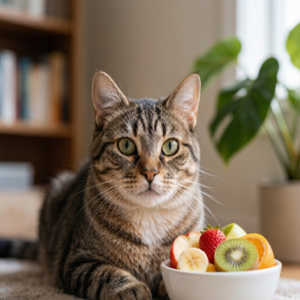
Which Fruits Are Safe and Healthy for Cats?
In moderation, fruits like watermelon, papaya, cantaloupe, apple, kiwi, strawberry, blueberry, and banana can benefit cats by adding vitamins, fiber, and water that aid digestion and help cats who drink little avoid urinary issues. But cats are carnivores whose core nutrition comes from meat protein, so keep fruit minimal to avoid soft stools or diarrhea. Always remove peel and seeds, and never offer toxic fruits such as grapes, raisins, persimmon, lemon, cherry, or avocado.
Four Winter Diet Points to Keep Cats Healthy
Cold weather means cats burn more energy and need smarter feeding to stay well. Beyond cat food, add freeze-dried meat snacks like chicken, quail, or herring to keep energy up, top up vitamins and trace elements, supplement calcium in moderation, and make sure your cat drinks enough warm water. These four adjustments help fend off the minor illnesses winter tends to bring.
Four Winter Diet Tips to Keep Cats Healthy
Cold weather raises a cat's energy needs and weakens its natural defenses, making winter a season of extra health risks. Supporting your cat's immunity through diet is one of the simplest ways to help it sail through the cold months. From adding more meat to the kibble to topping up vitamins, calcium, and warm water, here are four practical feeding adjustments every owner should know for a healthy, comfortable winter.
Cat Health Checkup Guide (Part 1)
For most cat owners, regular checkups are essential yet confusing: how do you get a cat to the clinic, and which tests actually matter? This first part covers preparation before the visit and the exams most relevant to each life stage and breed, helping you make sense of a stressful process.
Health Checks Every Cat Owner Should Know
Must-do checks: a baseline exam plus a four-way infectious test (panleukopenia, herpes, calicivirus, coronavirus) for every new cat—do it early, before symptoms turn deadly. Antibody tests suit cattery-bought kittens. Pre-surgery bloodwork matters for seniors; post-illness rechecks and fecal/SAA/urine tests catch parasites, inflammation, and urinary disease. Skip unnecessary ones: toxoplasma testing is mainly for pregnant households, and X-rays are for swallowed objects or fractures.