Search Results
21 results for “urethral obstruction”
What is a lump in a rabbit’s urethra?
A urethral lump means a mass in the lower urinary tract, related to overgrowth of the urethral lining, excess granulation tissue, abscess, or tumor-like lesions, and easily causes obstruction. Symptoms include straining to urinate, reduced or no urine, dribbling, or incontinence. See a vet promptly if these appear.

Why Is My Dog in Pain When Urinating?
When a dog shows pain while urinating, the cause is usually a problem in the urinary tract, such as a urinary infection, bladder stones or crystals, or a blockage. Along with painful urination, you may notice frequent or urgent attempts to urinate, straining, reduced output, blood in the urine, cloudy or pus-like urine, or a complete inability to pass urine. Because these conditions can quickly become serious, any sign of painful urination means your dog should be seen by a veterinarian promptly. Diagnosis may involve urinalysis, X-rays, ultrasound, or other tests, and treatment is chosen according to severity, ranging from relieving a blockage and catheterization to medication or surgery.
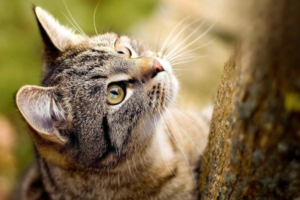
Diagnosing and Treating Feline Idiopathic Cystitis (FIC)
Feline idiopathic cystitis, or FIC, is a common lower-urinary-tract disease in cats whose exact cause is still unknown, yet it is the single most frequent diagnosis in young cats, affecting roughly 50 to 60 percent of cases. It is linked to a defective bladder lining, nerve-driven inflammation, and stress. Because there is no single definitive test, veterinarians diagnose it by exclusion, using the history, urinalysis, blood chemistry, and ultrasound. Most episodes ease on their own within five to seven days, but treatment focuses on pain relief, protecting the bladder lining, litter-box management, more water, prescription food, and reducing stress.

Magnesium Metabolism Disorders in Dogs and Cats
Magnesium disorders in dogs and cats include deficiency, causing stunted growth, hyperexcitability, and convulsions, and excess, usually from over-supplementation, causing vomiting, diarrhea, and in cats urinary tract signs. They are managed by correcting dietary magnesium and treating the underlying cause.

Treatment of Cystitis in Dogs
Cystitis is inflammation of the bladder mucosa and submucosa. In dogs it is often catarrhal, suppurative, or hemorrhagic-necrotic, showing painful, frequent urination. Sediment shows bladder epithelium, pus cells, many red cells, and urate crystals.
My hamster can’t eat, has a hard lump in its left abdomen, very firm to the touch and seems painful, and the urination area is a bit swollen. It feels like something bulging in the intestines and very hard; I massaged it last night and it seemed larger this morning.
A hard abdominal mass in a hamster has many causes: intestinal or abdominal tumor, gastric dilation, constipation, intestinal obstruction, kidney swelling, or a full bladder. With a swollen urethra and reduced urination, it may be urine retention from a blockage. These are serious; get an X-ray and abdominal ultrasound at a vet.

Cat Frequent Urination with Small Volume: Causes and Medication
Frequent, small-volume urination in cats is usually a urinary-tract problem — urethritis, cystitis or urolithiasis. Start with a diuretic and a pet-safe anti-inflammatory to ease pain and infection, encourage water intake, and if there is no improvement see a vet to rule out stones blocking the urethra.
Why does my cat urinate frequently but only pass a little each time?
Frequent, scanty urination suggests cystitis, urinary stones, urethral spasm or blockage, especially in males. Stress or low water intake also contributes. See a vet promptly.
Why does my cat urinate frequently but only a little each time?
This often signals urinary disease - idiopathic cystitis, urethral spasm, stones or obstruction - or stress and low water intake. See a vet to find the cause.

Chronic Renal Failure in Dogs and Cats
Chronic renal failure is the slow, often permanent loss of kidney function from long-term kidney damage, such as after acute renal failure, glomerulonephritis, or urinary stones. It brings progressive dehydration, weakness, and heart strain, and needs lifelong fluid, diet, and monitoring support.
- « Previous
- 1
- 2
- 3
- Next »