Search Results
21 results for “urethral obstruction”

Feline Urethral Obstruction: Causes, Symptoms, Treatment, and Prevention
Urethral obstruction mostly affects male cats aged 1-6. Causes include urinary stones, crystals, inflammation, and muscle spasms; signs are frequent urging, straining, reduced output, and blood-tinged urine. Left untreated it can lead to uremia, kidney failure, and bladder rupture — life-threatening. If obstruction is suspected, take the cat to a vet immediately for catheterization, then diagnose the underlying cause and treat it. Prevention focuses on hydration, diet, and stress reduction.

Causes and Treatment of Feline Urethral Obstruction
Feline urethral obstruction is usually caused by urethral stones (from poor diet, low water intake, or infection) and is an emergency—especially in male cats with their narrow urethra—with signs of straining, little urine, and blood. Clear the blockage at a vet promptly, then prevent recurrence with more water, balanced low-Mg/low-P diet, exercise, and regular urine checks.

Urethral Stenosis and Obstruction in Dogs and Cats
Urethral stenosis and obstruction occur when the urethra narrows or becomes blocked, preventing normal urination. Male dogs and cats are most at risk. A complete blockage is an emergency that can lead to bladder rupture, peritonitis, kidney failure, or uremia if not treated immediately.
What You Should Know About Vomiting in Cats and Dogs
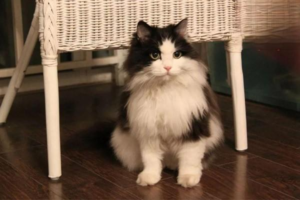
Vomiting in pets splits into physiologic, from eating too fast or wrong food, and pathologic, from disease. Causes range from diet and gut issues to toxins and organ disease, and the timing of vomiting hints at the source, so see a vet when signs persist.

Feline Lower Urinary Tract Disease
Feline lower urinary tract disease, also known as feline urinary syndrome, is not a precise diagnosis; it includes a series of clinical symptoms: hematuria, frequent trips to the litter box with very little urine each time, difficulty urinating, urethral blockage, anuria, frequent licking of the urethral opening, and irregular urination outside the litter box.

Feline Lower Urinary Tract Disease (FLUTD): Causes, Signs and Treatment
Feline lower urinary tract syndrome (FLUTD) is divided into obstructive and non-obstructive types. Obstructive means the urethra is fully or partially blocked. Within 2–3 days of complete blockage, urine retained in the bladder flows backward to the kidneys; this back-pressure suppresses glomerular filtration, causing waste and toxins to accumulate in the blood and leading to uremia. If not treated within 3–6 days, the cat can die. The non-obstructive type is milder; with prompt catheterization and proper daily care, it largely resolves on its own within a week.

What to Do About Dog Incontinence
Dog incontinence is common in middle-aged to old dogs, with many causes; don't panic—find the cause and treat promptly. Today we explain causes and solutions.

Why Does Your Cat Have Trouble Urinating?
Difficulty urinating shows as blood in urine, frequent urination, or blockage, mainly from urinary-system problems; without timely treatment it causes great pain. Here we discuss feline urinary disease.

Can a Dog’s Urinary Stones Be Treated Without Surgery?
Early, small urinary stones in dogs can often be managed with medication and diet alone, avoiding surgery. This guide explains when surgery is needed, the non-surgical treatment options, and the dietary changes that help dissolve and prevent stones.

Causes and Treatment of Cat Cystitis
Cat cystitis is a common and painful urinary condition caused by bacterial infection, diet, stress, and environmental factors. Affected cats show frequent, painful urination and cloudy or bloody urine. Treatment combines antibiotics, dietary adjustment, and good litter-box hygiene, with prevention focused on hydration and a clean environment.