Search Results
403 results for “upset stomach”

Why Dogs Have Bad Breath
The main cause of dog breath is simply a lack of timely, effective cleaning. Bacteria and tartar build on the teeth, yellow and smell, and lead to oral disease. You can brush - start young with gauze, then a dog toothbrush, using dog-only paste since dogs swallow foam and may upset their stomach. You can also offer dental chews and toys, or boil oxtail whose tendons massage and clean spots a brush misses. Carrots mixed with kibble help scrape stains too.

What to Do When Your Dog Gets Cars Sick
More hotels and attractions now welcome pets, but some dogs still get car sick - drooling, labored breathing, vomiting, even loss of bowel control and limp limbs. The good news is you can help your dog overcome it. Start by letting the dog adapt to the car with short, smooth trips and its own bed for security; then practice sitting in a running (but stationary) car and finally slow drives with calm reassurance. If sickness strikes, slow down, open a window for air, and use a vet-approved sedative or motion pill after stopping.

What to Do When Your Cat Throws Up
Cat vomiting has many causes, so watch and reason before acting, and see a vet when needed. A single vomit of undigested food with normal energy is usually harmless. Bad or spoiled food can trigger it and may lead to gastroenteritis. Hairballs show as fur in the vomit and need a hairball remedy. True gastroenteritis brings repeated vomiting, soft stools, and severe thirst but no eating, risking dehydration and organ failure if ignored. Pancreatitis and serious viral infections also start with vomiting. For mild cases, probiotics and warm water may help; persistent vomiting needs a vet, where anti-emetic and anti-inflammatory shots work fast and forced feeding may be needed.

Why Is My Dog’s Nose Dry?
A dry dog nose can come from dry weather, lack of water after exercise, fever, or skin infection. If the nose is dry and flaking, first check whether the dog just exercised hard and consider the weather. If there are no other signs, add water, raise room humidity, and watch for two to three days. But if dryness comes with low spirits, poor appetite, or a rising temperature, see a veterinarian or clinic promptly. A dry nose is not always illness, but do not ignore it.

How to Switch Your Cat’s Food the Right Way
Switching cat food badly can trigger refusals, vomiting, or diarrhea, so the job calls for method. The safe route is a gradual seven-to-ten-day transition that blends old and new food in shifting ratios. This guide also covers what to do if diarrhea appears and how to handle the smaller portions needed when moving from home-cooked meals to calorie-dense commercial food.

What to Do When Your Cat or Dog Has Chronic Constipation, Diarrhea, or Indigestion
About 60 to 80 percent of a cat or dog's immune system resides in the digestive tract, and a healthy gut is the body's first line of defense against pathogens and toxins. When the intestinal flora falls out of balance, pets frequently develop constipation, diarrhea, and poor digestion and become far more prone to illness. Diet, stress, medications, and a naturally smaller microbiome all influence gut health. Probiotics can help restore balance, but most beneficial bacteria are destroyed by stomach acid or by heat during food processing. This guide explains why gut balance matters, what disrupts it, and how to choose a heat- and acid-resistant, high-activity probiotic that actually survives to reach the intestines where it is needed.

Why Is My Dog’s Stool Soft or Unformed, and What Helps?
Soft, unformed stool in dogs has several causes, from a simple upset after the wrong food to gastroenteritis, parasites, or even a viral infection. The right response depends entirely on the cause, so guessing at medicine can waste time. This guide walks through the four common reasons—indigestion, gut inflammation, internal parasites, and viruses—and the matching treatment, from probiotics to a timely trip to the clinic.
8 Plants You Must Never Keep With a Cat
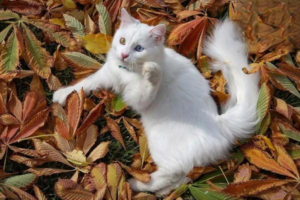
Cats are endlessly curious and will sneak a taste of houseplants, but many common flowers are toxic—ranging from vomiting and drooling to liver failure and death. This list covers eight dangerous plants, their toxic agents, and symptoms: hyacinth, carnation, tulip, chrysanthemum, hydrangea, lily (extremely poisonous), pothos/umbrella tree, and lucky bamboo. If your cat eats one, bring the plant to the vet for correct identification, and keep toxic plants well out of reach.

Can Hamsters Eat Vegetable Leaves?
Vegetable leaves add water and help hamsters cool off in summer, but only in moderation and always washed and dried, since excess moisture causes diarrhea. A few servings a week aid digestion and prevent constipation, with grains as the staple and millet or mealworms for balance. Hardy foods also help wear teeth. Avoid spicy vegetables like chili, onion, garlic, and leek, and never human leftovers or wilted, refrigerated greens, which can harbor bacteria and toxins.

What to Do When Your Dog Has Frequent Diarrhea
Frequent dog diarrhea usually traces to one of four causes: a chilled stomach from cold weather or cold food, intestinal parasites (look for worms in the stool), gastroenteritis (viral or bacterial), or simple overeating and dietary indiscretion. Warming the dog and adding a probiotic helps mild cases, deworming treats parasites, and a vet may use anti-diarrheals plus antibiotics for gastroenteritis. Persistent, bloody, or accompanied diarrhea needs prompt veterinary care.