Search Results
1584 results for “type 2”

Arowana Feeding: Tips and Precautions
Arowanas are large, easy-going freshwater fish that need stage-based feeding: fry 6–8 small meals a day down to adults once a day, always to about 80% full and finished within 10 minutes. Use floating food to avoid droopy eye, cut shrimp rostra, disinfect live prey, and shift from growth-type to color-enhancing foods during the color phase.

Golden Arowana: Morphology and Breeding Methods
The golden arowana comes mainly as the crossback and the red-tailed golden, which look alike when young but differ as they grow — the crossback's gold crosses the fifth scale row and shines brighter. Choose healthy, pure-line broodstock (one male and one female) and keep the tank completely quiet during spawning, since disturbance makes the male withhold sperm and the fish may eat the eggs.

How to Raise Rabbits
Successful rabbit keeping rests on healthy breeding stock, a clean ventilated hutch, grouped by size and sex, a digestible diet (pellets, alfalfa, veggies, boiled water), daily cleaning, and preventive vaccines against rabbit hemorrhagic disease and coccidiosis.

How to Prevent Swim Bladder Disease in Ornamental Fish
Swim bladder disease is common in ornamental fish; prevent it by controlling temperature and water quality. Many cases follow water changes with big temperature gaps — keep new and old water within about 2°C. If a fish loses buoyancy, isolate it in shallow water with a little salt, feed less, and if needed add a buoyancy aid.

Easy-to-Keep Aquarium Fish for Beginners
Cheap, hardy beginner fish include guppies, comet goldfish, ryukin goldfish, bettas, swordtails, zebra danios, tiger barbs, dwarf parrot cichlids, and mollies. They are tough, easy to keep alive, and inexpensive — ideal for new aquarists. Guppies and comets are top picks for newcomers because they adapt well, aren't picky eaters, and look good. Keeping fish alive is easy; keeping them well takes effort, so learn and improve as you go.

What Lighting Systems Do You Need for an Aquarium?
Fish need daily light for healthy growth, so every tank needs a lighting system. Common options are fluorescent (cheap, low-heat, for low/medium light), compact energy-saving lamps (mini tanks), halogen (focused beam, large planted tanks), and UV sterilizer lamps that kill bacteria physically without secondary pollution—run them 5–6 hours every 2–3 days and never look directly at them.
Aquarium Aeration Systems: How They Work and Usage Tips
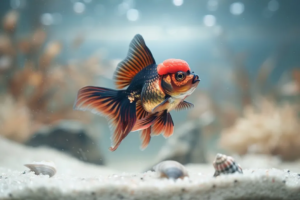
Fish need dissolved oxygen above 5 mg/L; below 1 mg/L they gasp at the surface and can suffocate. An aeration system prevents this. Choose between electromagnetic-vibration pumps (small tanks) and electric pumps (large setups), size the power to your tank, keep the pump above water level, and clean clogged air stones regularly.

Long-Haired Curly Guinea Pig
The Long-Haired Curly Guinea Pig, also known as the long-curly-haired cavy, is a rare and distinctive guinea pig variety native to Peru and Brazil. With its unique curly long coat and gentle nature, it makes a beloved small pet, though its coat requires regular grooming to prevent matting.
What happens when a dog gets skin disease?
Dog skin disease usually causes hair loss, itching, dandruff, bumps, and scabs, varying by type. Common ones include eczema, mange, bacterial, and fungal infections. Eczema from allergies causes red, itchy, wet skin that may secondarily infect; mange from mites is contagious with severe itch and hair loss; bacterial shows redness, pus, wounds; fungal shows hair loss, redness, itch, dandruff. See a vet promptly.
What happens if a dog gets stones?
A dog with stones usually shows frequent urination, urgency, incontinence, darker and cloudy urine, and abdominal pain; the stones irritate the bladder and kidneys, causing discomfort, lethargy, and appetite loss. Large or long-standing stones may block the urethra or cause infection, leading to urinary retention. See a vet for tests and treatment like medication, surgery, or prevention.