Search Results
1584 results for “type 2”

European Burmese
The European Burmese is an elegant cat, but not a fragile one. It has a well-proportioned build, moderate muscle, and expressive eyes. Because it is very intelligent, affectionate, and loyal, it makes an excellent pet.

Tonkinese
The Tonkinese, also known as the Vietnamese cat, is not from Vietnam but a purebred short-haired breed produced by crossing the Siamese with the Burmese, first appearing in North America in the 1930s. With pointed coloring softer than the Siamese and a short, silky coat like the Burmese, the Tonkinese is famously affectionate, active, and people-oriented.

Burmilla
The Burmilla, also called the Pommila cat, has the Latin name Burmilla. This breed was born in Britain in 1981 and successfully exhibited two years later, immediately drawing wide attention. In fact, the Burmilla's birth came from a beautiful union, an 'out-of-wedlock' kitten between a lilac Burmese and a silver Chinchilla Longhair.

Persian
The Persian cat, also called Persian, Chinchilla, or Himalayan, with the Latin name Persian, represents nobility in people's minds. In China, most people's first pet cat was a Persian. However, most kept Persians are not purebred but non-purebred bred by merchants to meet the market; purebred Persians cost over a thousand dollars. Originating in Persia (Iran), it was developed in Britain over more than 100 years from Afghan longhair and Angora cats.

Ocicat
The Ocicat, despite being mistaken for a wild cat, is a wholly domestic breed developed in the United States from Abyssinian, Siamese, and American Shorthair ancestors. After a winding path to recognition, a decade of bloodline management won it acceptance. With its spotted, wild-looking coat and friendly, active nature, the Ocicat is a striking yet affectionate companion.

Abyssinian
The Abyssinian, also called the rabbit cat, Ethiopian cat, or Abyssinian, has the English name Abyssinian and is now distributed around the world. People usually judge a cat's origin by its name, but the Abyssinian's origin seems somewhat distant from Abyssinia. Abyssinia is the old name for Ethiopia, yet many believe the Abyssinian comes from ancient Egypt.

Chinese Li Hua
Chinese Li Hua, also known as the Chinese rural cat, is an umbrella term for China's native domestic cats. Among them, the Chinese Li Hua (Li Hua Mao) was officially recognized by the CFA in 2010 as China's own native purebred cat. This article introduces the common varieties of Chinese rural cats, including the Li Hua, tabby, calico, and tuxedo cats.
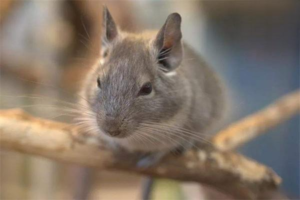
How to Handle a Chinchilla That Bites Its Fur
Fur-biting, or trichophagia, has nervous, genetic, and nutritional causes. Ensure good nutrition, a calm environment, and electrolyte supplements; isolate affected chinchillas.

What Causes Chinchilla Enteritis?
Enteritis is a leading cause of chinchilla death, usually from unsuitable food. Types include viral, fungal, bacterial, parasitic, dietary, wind-cold, and antibiotic-induced, each needing different treatment.

How to Tell When a Turtle’s Hibernation Has Ended
Turtles usually hibernate from late October to early April; they wake when temperatures rise above 15°C (or 20°C if unstable). Signs: the season, warming temperatures, and renewed activity. Let them wake on their own — don't force it — and check for illness after. Tropical turtles, hatchlings under ~5 cm, and sick turtles shouldn't hibernate (keep tank warm and fed).