Search Results
1584 results for “type 1”

Helping Your Cat Love the Litter Box
Most cats use litter naturally, but some need coaching. A clean box, the right litter type and scent, a slow switch when changing brands, and thorough cleanup of accidents all build the habit. This guide covers setup, litter choice, changing frequency, and removing odor traces that invite repeat accidents.

Emergency Steps When a Pet Eats Something Harmful
Curious pets swallow the strangest things, from needles and socks to toxic plants and people food, and quick action saves lives. For cats, guard thread, needles, and poisonous plants; for dogs, secure small objects and leash up on walks. This guide covers what was eaten and the right first move before rushing to the clinic.

Allergies in Cats and Dogs
An allergy is the body's over-reaction when it meets the same trigger again, and in pets it often runs in families. Sneezing, chronic diarrhea, itchy skin, hair loss, and over-grooming are clues, and severe reactions can be fatal. Knowing the main allergen types helps you remove the cause and get the right care.

How to Prevent Respiratory Infections in Dogs in Winter
Respiratory disease peaks in winter and during seasonal changes, and is the most common problem seen in clinics. By site it splits into upper respiratory tract (URT) and lower respiratory tract (LRT) infection. URT is mostly viral with secondary bacteria and causes nasal discharge, sneezing, and nosebleeds; LRT is mainly bacterial and brings cough and breathing trouble. Diagnosis separates viral from bacterial with blood work and chest X-rays, and treatment uses vaccines, antivirals, and antibiotics such as doxycycline and enrofloxacin, plus cough and fever control.

Symptoms of Canine Distemper: Early, Middle, and Late Stages
Canine distemper is a highly contagious, often fatal viral disease that mainly strikes unvaccinated puppies, with death rates up to 90 percent in young dogs. The virus, which survives for weeks when frozen but breaks down at 50 to 60 C, spreads by contact and airborne droplets and appears as respiratory, digestive, neurologic, or skin forms. Early signs are lethargy, fever of 39.5 to 41 C, eye and nose discharge, sneezing, and diarrhea; the middle stage adds pus-like discharge, vomiting, and appetite loss; the late stage brings neurologic signs such as paresis, ataxia, and seizures. Diagnosis uses test kits, blood work, and PCR, and care focuses on vaccination, immune support, and symptom control.

What Is Cat Stomatitis and How Is It Treated?
Cat stomatitis is one of the harder feline diseases to cure, and severe cases can be fatal because a sore mouth leads a sensitive cat to stop eating. Its cause is complex, tied as much to the immune system as to infection, which is why antibiotics alone fall short. This guide explains what stomatitis is, its symptoms and types, how extraction works, and the daily oral care that prevention depends on.

Lice on Cats and Dogs: Symptoms, Risks, and Treatment
Lice peak in winter, especially in January, when thick coats let them breed undisturbed. They strike young, stray, and undernourished pets, causing itching, restlessness, hair loss, and in heavy infestations anemia and weakness. Two main types live on pets: blood-feeding sucking lice and coat-chewing lice, each with its own species on dogs and cats. Lice are host-specific and do not infect people, though fleas from pets can. This guide covers the types, the harm they do, how they are diagnosed, and how to treat and prevent them.
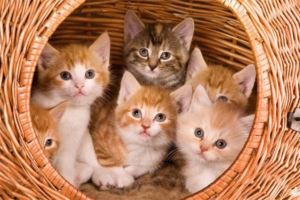
Why Do Cats Vary So Much in Jumping Ability?
A cat's amazing leaps come from its unusual build: more bones and muscles than humans, with around 240 bones and over 500 muscles, plus long hind limbs and flexible joints that extend fully during a jump. Yet not every cat jumps well. Breed matters, with lazy types like Persians staying low while American Shorthairs are athletes, and so do body shape, weight, and condition. Obesity and weak constitution lower agility and raise diabetes and liver risks, and jumping fades with age as muscle and joints decline. Owners should not overestimate cats' abilities and should fit window guards to prevent falls from height.

Understanding Feline Hyperthyroidism
Hyperthyroidism is an endocrine disease from excess thyroid hormone, common in senior cats, usually from benign nodules. Signs include weight loss with ravenous appetite, restlessness, coat changes, and more; suspect it in any sick cat over ten. Treat by surgery, daily medication, or radioiodine; prevent via diet and regular checkups, especially with heart disease.

Preventing and Treating Cat Chin Acne
Black chin, or feline acne, is folliculitis like human acne, showing as coal-like specks on the chin and tail. Causes include too much dietary fat, heat-cycle hormone shifts, poor cleaning, and oily skin type. Mild cases clean with salt or green-tea water and antibiotic ointment; severe tail cases use diluted sulfur soap. Pet antiseptic wash also helps.