Search Results
227 results for “turtle water change”
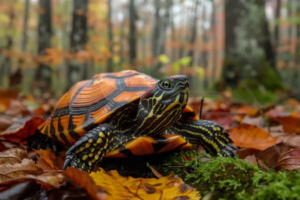
Common Illnesses of Red-Eared Sliders
Red-eared sliders face several common illnesses: white-eye disease (a white film from poor water), gastroenteritis (odd red-green stools), pneumonia (wheezing, head held high), skin rot, calcium deficiency (soft shell), shell rot, and colds. Most trace to water quality and temperature swings, and many respond to antibiotic soaks or ointments plus warmth and sunlight.
How long can a red-eared slider live?
A captive red-eared slider lives about 30 years. Lifespan ties to environment and care; water quality strongly affects health, so keep water clean and change regularly. Use quality turtle food, vary the diet with some meat and vegetables for balance.
What pets are fun and clean to keep?
Easy, clean pets include turtles, fish, Poodles, Schnauzers, Yorkshire Terriers, and cats like British Shorthair, American Shorthair, Ragdoll, Siamese, and domestic cats. Turtles and fish need little care; low-shedding dogs and short-haired cats are also easy.
Why does my red-eared slider have white spots on its shell?
White spots on a slider's shell are usually shell rot from poor water quality. Clean with 2-4% salt solution, apply clotrimazole ointment daily, give sunlight, and keep water clean with weekly 1/3 changes.

How to Estimate a Red-Eared Slider’s Age
If you did not raise a red-eared slider from a hatchling, you cannot know its exact age, but for young sliders you can estimate it from a few clues. Each round marking on the belly scutes suggests one year, and the number of concentric rings on the shell plus one gives another estimate. Weight and shell length also track age, and clearer, darker shell rings hint at an older turtle. Sliders usually mature at three to four years at over 17 centimeters, after which aging becomes hard to gauge.
What should I do if my red-eared slider won’t eat?
A red-eared slider that won't eat is often due to water that's too shallow (it's aquatic and must eat in water, so keep at least 10-15 cm), water that's too cold (ideal 22-25 C), or poor water quality - change water often and clean the tank. Mood matters too, so give it a floating island to rest on and proper light.

Red-Eared Slider Shedding but Not Eating: What to Do
A red-eared slider that sheds but stops eating may simply be reacting to the molt, or it may signal a problem with temperature, water quality, or health. First check that the habitat is right, then adjust water temperature and change water regularly. Offer varied foods like fish, lean pork, shrimp, and snails to tempt appetite, and use a dangled-food trick if it will not bite. If the fast drags on or other symptoms appear, consult a veterinarian.

Yellow-bellied Slider
The Yellow-bellied Slider (Trachemys scripta scripta) is a common, hardy and inexpensive North American slider with a yellow belly and yellow 'ear' patches. Easy to keep but a messy, fast-eating carnivore-leaning omnivore.

Florida Peninsula Cooter
The Florida Peninsula Cooter (Pseudemys peninsularis) is a large, hardy North American pond turtle marked in yellow and green. It closely resembles the red-eared slider but shows a yellow (not red) plastron, and is an affordable, beginner-friendly turtle.

Beaked Cape Tortoise
The Beaked Cape Tortoise (Homopus areolatus), or parrot-beaked tortoise, is the world's smallest tortoise, a secretive rock-dweller endemic to South Africa's Cape. Delicate in captivity, it is best left to experts.