Search Results
8 results for “turtle shell shedding”
How Often Do Turtles Shed Their Shell?
Turtle shell shedding (ecdysis) is a normal part of growth: as the body enlarges, the old shell can no longer contain it, so a new one forms underneath. Turtles usually begin shedding around age 2 to 3, with each cycle lasting 1 to 3 months, most often in spring and summer when metabolism is high. After age 6, growth stabilizes and shedding slows. Owners must let the scutes detach naturally—never pull them—and boost calcium and nutrition during the process. This article explains the timing, care, and warning signs.
White Spots and White Fuzzy Growth on a Turtle
Finding white dots or fuzzy white material on a turtle worries many owners, but the cause is usually one of two things: a fungal infection called water mold, or simply normal shedding. Water mold comes from dirty water and cannot be wiped off, and it needs prompt treatment; shedding, by contrast, is a healthy sign of growth and should never be peeled away. Telling the two apart—and keeping the water clean—is the key to a healthy turtle. This guide explains both and how to manage them.

White Fuzz on Your Turtle’s Neck: Shedding or Water Mold?
White fuzz on a turtle can be normal shedding or a sign of water mold disease. If the fuzz has a clear texture with no soft rot, it is likely shedding—just give more sunlight. If fuzz appears on multiple areas and looks rotting, it is probably water mold and the turtle should be isolated and treated. The root cause is usually overcrowding and polluted water; prevent it with good nutrition, wound care, and regular water changes.

Treating and Preventing Turtle Water Mold Disease
Poor water quality from leftover food and waste is the root cause of turtle water mold, usually from poor management. Treatment uses antifungal medication—povidone-iodine applied topically, diluted soaks, gentle brushing, or in severe cases miconazole ointment with dry-docking—always keeping the environment at 28–32°C. Prevention means sunlight, prompt cleanup of food waste, regular water changes, and isolating sick turtles. Do not confuse water mold with normal shedding.

Can Water Mold Disease in Turtles Be Avoided? (Causes & Prevention)
Water mold disease is preventable. Although Saprolegnia is widespread in water, its presence alone does not cause the disease—infection requires a wound. A healthy, uninjured turtle will not get water mold, so the key is good husbandry: smooth enclosures, regular sunlight, balanced nutrition, and clean water. Early signs include gray-white spots and white fuzzy growths on the skin and shell; untreated, the disease progresses to swelling, ulcers, appetite loss, and death.
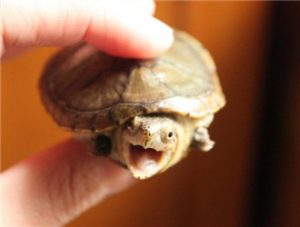
Herrera’s Mud Turtle
Herrera's mud turtle (Kinosternon herrerai) is one of the fiercer mud turtles — looking like a tiger-striped razorback but with the pugnacious personality of a narrow-bridged musk turtle. A rewarding but pricey and aggressive captive that is best kept alone.
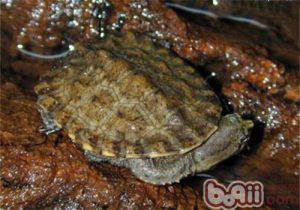
South American Snake-necked Turtle
The South American Snake-necked Turtle (Hydromedusa tectifera), also called the Argentine snake-necked turtle, is a popular but challenging species with a long smooth neck and rock-like shell. It is prone to shell rot and demands cool, slightly acidic water and careful husbandry.

Mud and Musk Turtles (Egg Turtles)
The 'egg turtle' is not a single species but the common nickname for the family Kinosternidae — mud turtles and musk turtles — named for their smooth, egg-shaped carapace. Mostly North American, they are popular, interactive pets, but each species differs in size, care difficulty and husbandry, so research the exact species before buying.