Search Results
169 results for “turtle pond”
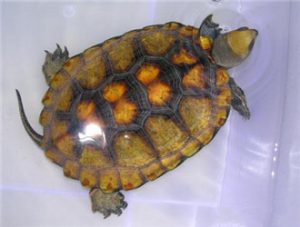
Japanese Pond Turtle
A neat, personable pond turtle endemic to Japan - semi-aquatic, hardy, and well suited to a well-filtered home pond.
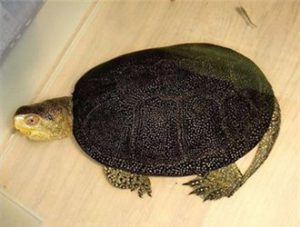
European Pond Turtle
The widespread, adaptable pond turtle of Europe - a semi-aquatic, personable species that does well in a well-filtered outdoor or indoor pond.

Spotted Pond Turtle
A handsome, spotted Asian turtle from the Indian subcontinent, uncommon in the trade and best kept by those who can meet its aquatic needs.

Red-necked Pond Turtle
A dark, attractive Asian pond turtle from southern China with a distinctive red patch on the neck - hardy, semi-aquatic, and long-lived.

Asian Yellow Pond Turtle
A long-lived, attractive pond turtle from southern China and Vietnam, once abundant and now increasingly captive-bred for the pet and food trade.

Western Pond Turtle
The western pond turtle, also called the California pond turtle, is a broad-headed, relatively secretive freshwater turtle native to the U.S. West Coast. An accomplished swimmer that loves basking, it is a protected species usually available only as captive-bred stock.
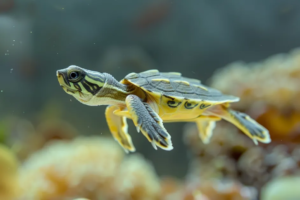
Why Do Turtles Bite Each Other, and How to Stop It?
Turtles kept together often fight and bite—over food, cramped space, mixed species, or mating rivalry. Separate bullies, give more room, and avoid mixing aggressive breeds to prevent injury and shell rot.

Beginner’s Guide to Keeping Pet Turtles
Start with a healthy turtle: pick an active one with clear eyes and no shell rot. Quarantine newcomers a month, give daily sun and clean water, feed every few days, and taper feeding before hibernation. Good water quality is the backbone of turtle health.
What turtles are not demanding about water quality?
Many turtles tolerate poor water: snapping turtles, mud turtles, and Chinese pond turtles need only non-murky, stable, de-chlorinated water. They are easy keepers.

Turtle Pneumonia: Treatment and Prevention
Turtle pneumonia is split into fast-onset lobar and slower lobular forms, often triggered by dirty water and temperature swings. Treat with antibiotic baths or injections by type, and prevent it with clean water, stable warmth, a balanced diet, and regular disinfecting.