Search Results
39 results for “turtle hiding”
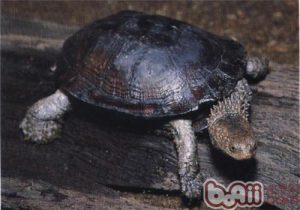
Chaco Side-necked Turtle
The Chaco Side-necked Turtle is a turtle of the genus Acanthochelys, first found in Argentina, Paraguay, and Bolivia. Because side-necked turtles are taxonomically complex, identifying species by appearance alone is difficult, and the Chaco Side-necked Turtle is neither widespread nor commonly seen in the market.

Northern Ornate Box Turtle
The Northern Ornate Box Turtle is a desert-dwelling box turtle of the genus Terrapene, found in the United States and Mexico. Highly drought-tolerant, it stores water well and endures arid conditions better than other box turtles.

Emydoidea blandingii (Blanding’s Turtle)
Blanding's turtle is a semi-aquatic turtle of the Great Lakes region, gentle and cold-hardy, with a smooth black helmet-shaped shell and a yellow hinged plastron marked with black blotches. It is omnivorous and adapts well to captivity.
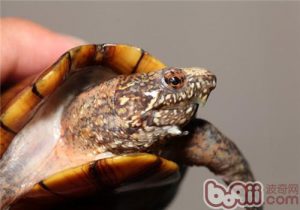
Kinosternon acutum (Tabasco Mud Turtle)
The Tabasco mud turtle (Kinosternon acutum) is a medium-sized mud turtle prized for its vivid head striping, found mainly in the Mexican Caribbean lowlands. It is rarer than the narrow-bridged musk turtle and seldom seen on the market.
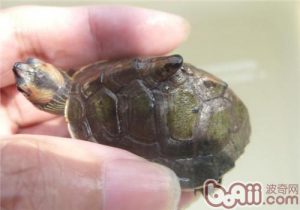
Indian Roofed Turtle
The Indian Roofed Turtle (Kachuga tecta) is one of the more common roofed turtles, recognizable by the distinctive raised black keel on its shell. Native to the rivers of the Indian subcontinent, it is a timid aquatic turtle that can enter hibernation.
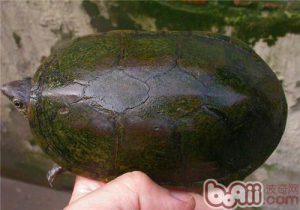
Oaxaca Mud Turtle
The Oaxaca Mud Turtle (Kinosternon oaxacae) is a type of mud turtle that aestivates in summer, burying itself in mud to cool down—hence its name. Living in slow-moving rivers, it hunts fish and shrimp in the water and is an omnivore that leans carnivorous.
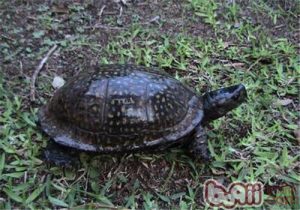
Gulf Coast Box Turtle
The Gulf Coast Box Turtle (Terrapene carolina major) is the largest subspecies of the Common Box Turtle, found along the U.S. Gulf Coast bordering Mexico. A typical omnivore reaching up to 18 cm in carapace length, it grows quickly and is relatively easy to keep.

Florida Peninsula Cooter
The Florida Peninsula Cooter (Pseudemys peninsularis) is a large, hardy North American pond turtle marked in yellow and green. It closely resembles the red-eared slider but shows a yellow (not red) plastron, and is an affordable, beginner-friendly turtle.
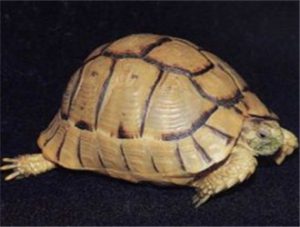
Egyptian Tortoise
The Egyptian Tortoise (Testudo kleinmanni) is the smallest tortoise in the Northern Hemisphere and the most fragile, hardest-to-keep Mediterranean tortoise. Tiny changes in environment or diet can cause stress death; do not mix it with other turtles.

Beaked Cape Tortoise
The Beaked Cape Tortoise (Homopus areolatus), or parrot-beaked tortoise, is the world's smallest tortoise, a secretive rock-dweller endemic to South Africa's Cape. Delicate in captivity, it is best left to experts.
- « Previous
- 1
- 2
- 3
- 4
- Next »