Search Results
208 results for “turtle care”

Pyxis planicauda (Malagasy Flat-tailed Tortoise)
The flat-tailed tortoise is found along the west coast of Madagascar, closely resembling the spider tortoise but recognized as a distinct species. It is a shy, mostly herbivorous tortoise that aestivates through the dry season.

Batagur baska (Northern River Terrapin)
The Batagur turtle is one of the largest freshwater turtles in Asia, living in Andaman coast estuaries from Bangladesh to Vietnam and feeding on mangrove seeds. Once thought extinct in Thailand, it is now classified as Critically Endangered and protected under CITES Appendix I.
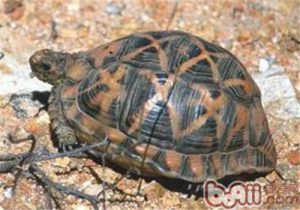
Tent Tortoise
The Tent Tortoise (Psammobates tentorius), also called the tent star tortoise, is a small, heat- and drought-tolerant tortoise that prefers plant food. Keeping it is fairly demanding, though a few individuals can be found in the pet trade.

Bell’s/Lowveld Hinge-back Tortoise
Bell's Hinge-back Tortoise (Kinixys belliana) is a relatively common hinge-back tortoise that lives a solitary life in dry habitats. Demanding in its care, it is not recommended for beginner keepers.
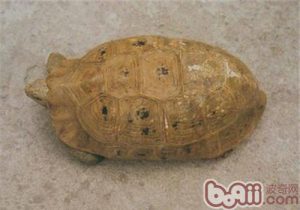
Celebes Tortoise
The Celebes Tortoise (Indotestudo forstenii), also called the Sulawesi tortoise, is a herbivorous land tortoise native to the Indonesian islands. It resembles the Burmese mountain tortoise but grows slightly larger, and is relatively easy to keep in captivity.

Painted Terrapin
The Painted Terrapin (Callagur borneoensis) is a distinctive member of the painted turtle genus whose carapace resembles a watermelon, with a red streak across the head. Distributed in Malaysia and Indonesia, it is a large, carnivorous, brackish-water turtle that must be kept in low-salinity water.

Phormictopus cancerides
The Haitian brown tarantula (Phormictopus cancerides), also known as the Dominican blue tarantula, is native to the tropical rainforests of Haiti and Brazil. It is one of the classic pet tarantula species kept by enthusiasts.
What do newly hatched red-eared sliders eat?
For the first 3 days after hatching, red-eared sliders do not need feeding and rely on the yolk sac for nutrition. After 3 days, feed them steamed and mashed egg yolk, daphnia, bloodworms, or specialized hatchling turtle food, plus some organic green vegetables. Note that adult and hatchling turtle foods differ, so choose accordingly.
- « Previous
- 1
- …
- 19
- 20
- 21