Search Results
6 results for “turkey for pets”
Can You Feed Pets Leftover Table Food
Everyone knows enjoying a good meal is often better than any activity. For our pet cats and dogs, the holidays are the best begging season of the year. We all slip them 'human food' now and then, but are holiday leftovers safe for them?

Can Cats and Dogs Eat Turkey?
Plain cooked turkey meat is safe for cats and dogs in small amounts, but bones, skin, fat, seasoning, and raw meat are risky. Serve boneless, skinless, unseasoned white meat, fully cooked, and only as an occasional treat.

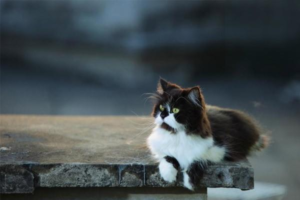
Turkish Angora
The Turkish Angora, named for Turkey's capital Ankara, is one of the oldest long-haired breeds, dating to the 16th century. Elegant with silky, medium-length coat and almond eyes, it is agile, independent, and famously fond of water. Once nearly supplanted by the Persian, it was revived in the US from 1963 and is now carefully bred to preserve its pure bloodline.
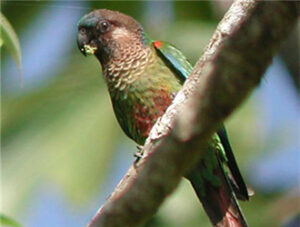
Painted Conure
The Painted Conure (Pyrrhura picta) has 9 subspecies and lives in forests and forest edges of Venezuela, Brazil, and neighboring countries, mostly around 600 m elevation. A small, attractive conure, it is a decent pet but sensitive to temperature changes and needs a clean environment and a varied, nutritious diet.

Anglo Mink
The Anglo Mink is the domesticated pet ferret (Anglo / Marshall lines) kept as a companion animal. Intelligent, gentle, and easy to litter-train, it is heat-sensitive and mischievous when unwatched, needs a large wire-free cage and 4+ hours out daily, and eats a meat-based diet (30–35% protein, 15–20% fat). Lifespan 8–12 years.

Angora Rabbit
The Angora Rabbit is the fluffy 'grass-mud rabbit' kept for its superfine wool (11 microns, finer than cashmere). Gentle but high-maintenance, it needs shearing every 3–4 months and constant hay to avoid deadly wool block (hairball impaction). Lifespan about 5–7 years.