Search Results
20 results for “trichlorfon”

Preventing and Treating Lice Infestation in Rabbits
Rabbit lice are an external parasitic disease driven by damp, dark housing that lets lice bite the skin and trigger intense itching and inflammation. Isolate affected rabbits, disinfect the hutch, and treat with neem leaves or a stemona (Baibu) wash or trichlorfon powder. Good sanitation and a dry, airy environment are the best defense.

Preventing and Treating Mange Mites in Rabbits
Rabbit mange is an external parasitic disease caused by sarcoptic and psoroptic mites, threatening entire herds if not controlled early. It appears as skin mange (body) or ear mange, with itching, hair loss, and crusting. Prevention centers on dry, clean housing and quarantine, while treatment uses trichlorfon, ivermectin-type drugs, or medicated baths.

Precautions When Deworming a Rabbit Herd
Deworm the whole rabbit herd at once, treat droppings with lime milk, and clear mites from the environment so cleaned rabbits don't re-infect; support the gut with a probiotic during treatment. Use a broad-spectrum compound (ivermectin plus albendazole covers mites and internal worms), avoid toxic levamisole/trichlorfon, and dose precisely. Kits start at 40 days with a second dose 7–10 days later; breeders quarterly. Damp weather calls for earlier prevention.

Dog Otitis Externa: Symptoms and Treatment
Otitis externa is inflammation of the outer ear canal, marked by intense itching, head shaking, and a foul-smelling discharge, and is common in floppy-eared dogs. Treat it early with cleaning and medication, since neglect can progress to painful middle-ear infection.

First Aid for a Poisoned Dog
Dog poisoning shows up three ways — swallowed toxins (vomiting, tremors, dilated pupils), inhaled ones (collapse, drooling, breathing trouble), and skin contact (swelling, frantic scratching). While rushing to a vet, you can induce vomiting within 30 minutes of eating, move the dog to fresh air, wash the contaminated coat with soap (except for trichlorfon), and wrap it warmly.

Symptoms and Causes of Cat Poisoning
Curiosity really can kill the cat. Cats always like to explore their surroundings, using their natural instincts to explore and hone hunting skills. Unfortunately, a cat's curiosity can easily get it into trouble, and a slight misstep may lead to poisoning.

Canine Ehrlichiosis (Canine Rickettsiosis)
Canine ehrlichiosis, also called canine rickettsiosis, is an acute or chronic infectious disease of canids caused by Ehrlichia. Its main features are high fever, jaundice, vomiting, progressive emaciation and severe anemia.
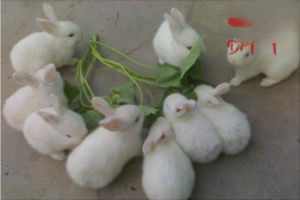
Common Mistakes in Feeding Rex Rabbits
Common rex-rabbit feeding mistakes include all-concentrate diets, whole grains instead of pellets, blanket antibiotic use, freezing vaccines, and unsafe mite treatment with soap plus trichlorfon. Each disrupts gut flora or destroys vaccine potency and can sicken or kill rabbits.

Symptoms and Treatment of Rabbit Ear Mange
Rabbit ear mange is a highly contagious skin disease caused by mite infestation, usually the result of poor hygiene. Infected rabbits scratch their ears constantly and shake their head, and may also show lethargy, restlessness, and loss of appetite; if left untreated the infection can spread and become life-threatening.

Preventing and Treating Rabbit Ear Mite
Ear mange is a common, highly contagious rabbit ear disease that itches severely and can be fatal if it spreads. This guide covers the signs and the miticide and ivermectin regimen that stops it.