Search Results
641 results for “trauma”

Why a Dog’s Nose Changes Color
A healthy dog's nose is usually cool and moist, and a warm, dry nose alone doesn't prove illness—waking, hard exercise, heat/cold exposure, or old age do the same. Real fading comes from: age (pink as a pup darkens, then lightens in seniors as tyrosinase and melanin drop); illness or heat (returns after); season—'snow nose' in winter, returning with warmth; trauma (pink while healing); poor nutrition (low melanin); genetics/Dudley nose (permanent, harmless); allergy (contact dermatitis from plastics/metal—use glass/stainless); bacteria (swelling, crusts—vet); and vitiligo (immune, white patches, harmless). Protect a pink nose from sun; see a vet for bloody, foul discharge with weakness.
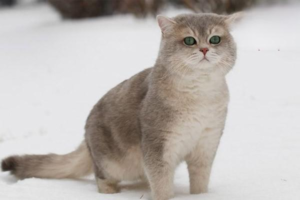
Why Does My Cat Always Lie Down? Understanding Feline Arthritis
If your cat spends most of its time lying down, walks with a limp, or refuses to be touched on the hind legs, it may be suffering from arthritis—a condition that affects up to 90% of cats as they age. Arthritis is the inflammation and degeneration of joint cartilage, most often secondary (degenerative) arthritis, which worsens as cats grow older. Cats are masters at hiding pain, so signs like reluctance to jump, reduced grooming, increased sleeping, and irritability can easily go unnoticed. Causes include aging, genetics, obesity, injury, and acromegaly. Treatment combines veterinarian-supervised medication (NSAIDs such as meloxicam), weight management with omega-3 and glucosamine supplements, and environmental adjustments like steps and soft bedding. Prevention starts with a healthy diet and keeping your cat lean.

What Causes Glaucoma in Dogs?
Canine glaucoma comes in primary and secondary forms. Primary glaucoma is a hereditary drainage-angle defect that blocks fluid outflow and raises eye pressure; it is common in Huskies, Chow Chows, Poodles, Cocker Spaniels, Beagles, and Maltese, usually appearing at 4–9 years. Secondary glaucoma follows eye disease such as uveitis, pupil blockage, lens luxation, or tumors. Treatment aims to lower pressure and save vision—medication works best early, but surgery is often needed later. Because early signs are subtle, at-risk breeds should have annual eye-pressure checks.

How to Prevent Your Cat from Getting Lost
A lost cat suffers trauma even if found, so prevention is essential. Practical measures include watching for the cat when doors open, installing a gate at the entrance, training the cat to respond to a call, fitting a collar with your contact details for outings, and considering a microchip that stores your information for recovery if the cat is found by others.

What Are the Symptoms of Epilepsy in Dogs?
Epilepsy is a condition marked by repeated seizures that can range from brief, mild episodes to severe ones that last a long time and recur often. Because seizures take many forms and can be triggered by a wide range of underlying diseases, spotting the four key signs helps dog owners respond correctly. A seizure may be generalized, causing a dog to collapse and paddle with no awareness of its surroundings, or focal, affecting only one part of the body. Dogs often show subtle restlessness beforehand, and may seem confused and unsteady afterward. Many illnesses can cause seizures, so a vet must rule out each one. Most seizures are not immediately dangerous, but any episode lasting over five minutes needs emergency care.
What medication should I give my dog for mouth ulcers?
Mouth ulcers have different causes needing different treatment. For trauma-based ulcers, metronidazole and an oral antibacterial spray can relieve inflammation. If it doesn't improve or other symptoms appear, see a vet.
Will my cat’s red, swollen gums heal on their own?
Whether red, swollen gums heal on their own depends on the cause and severity. Trauma-related swelling may self-heal; viral, immune, or serious disease usually won't. For mild cases, an anti-inflammatory oral spray helps; with other symptoms, see a vet.
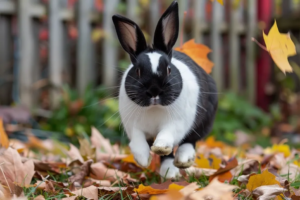
Why Did My Rabbit’s Ears Suddenly Flop?
A rabbit suddenly developing 'airplane ears' can come from mixed breeding, disease, or injury. If the ears just flop with no discharge, odor, or trauma, it is likely genetics, since a non-pure upright bloodline droops over time; this is harmless. But if flopping comes with more ear wax, a foul smell, or head shaking, ear mites are likely; isolate the rabbit, disinfect the space, and treat. Rough handling that pulls the ears can also cause it, so learn to hold a rabbit correctly to avoid injury.
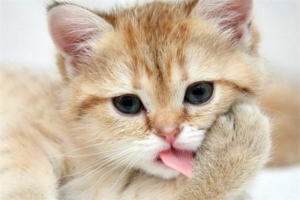
Why Your Cat’s Eyes Keep Getting Inflamed
Frequent feline eye inflammation often starts with a dirty, dusty home that lets bacteria or fungi take hold, or with injuries from branches and grass during play. Allergies to pollen, dust, or food can trigger it, and some cats are born with eyelid deformities like entropion or ectropion that invite infection. Have a vet confirm the cause and treat with medication or surgery when needed. At home, keep the environment clean, limit outdoor risks, and wipe the eyes regularly with saline to cut down on dust and bacteria.
Can a cat’s bloody urine heal on its own?
Bloody urine in cats generally won't resolve on its own. Causes range from poisoning, trauma, urinary tract infection, and bladder stones to reproductive tumors, leukemia, and candidiasis (and in females, vaginitis or pyometra). Apart from mild trauma, most cases are unlikely to self-heal, so have a vet identify the cause and treat it before it worsens.