Search Results
309 results for “train puppy”

What to Know Before Owning a Border Collie
The Border Collie ranks #1 in dog intelligence and is beloved, but it has high exercise and training needs. This guide covers daily exercise, vaccines and deworming, feeding, early training, and controlling salt intake.

Bichon Frise vs. Teddy (Poodle): Differences and Which to Choose
Both Bichon Frise and Teddy (Poodle) are popular small dogs, and newcomers often hesitate between them. This guide compares their looks, price, temperament, trainability, and coat colors to help you pick the better fit.
How can I stop my dog from chasing the cat?
Methods: socialize dog and cat from puppyhood so the dog respects the cat. For adult dogs, put the cat in a cage/safe spot, leash the dog near it; if it attacks/lunges, pull the leash and scold; if calm with no chase, reward. If hard to correct or serious conflict, get a professional behaviorist/trainer.
What happens when a dog gives birth?
Hours before labor, the mother dog becomes restless, eats less, and paces, with a dropped temperature, and shows nesting behavior. Active labor brings abdominal contractions and pushing; each puppy is followed by its placenta, which the mother usually eats to aid recovery.
How to build a bond with a German Shepherd
GSDs are smart and independent, needing time and patience. Give a warm home and regular feeding, start basic obedience young with patience and rewards to build trust, and spend time playing fetch or tug to strengthen your bond and exercise body and mind.
How can I raise a native (farm) dog well?
Pick a healthy 2-3 month pup, feed balanced food on schedule avoiding grapes/onions/chocolate, do simple training, and vaccinate plus deworm for health.
How Do I Know When My Dog Has Finished Giving Birth?
You can tell delivery is complete by watching for licking and placenta eating, the end of rhythmic straining, and feeling the abdomen. A soft, empty belly means she's done, while a hard slippery lump suggests another puppy remains.
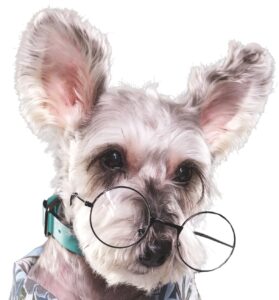
Schnauzer
The Schnauzer, also called the Schnauzer, originated in 15th-century Germany; its name means 'mustache' in German and it is the only terrier without British blood. Energetic and lively, it comes in three sizes: Standard, Miniature and Giant.

Miniature Schnauzerterrier
The Miniature Schnauzer, also called the Mini Schnauzer, originated in Bavaria, Germany, from the Standard Schnauzer crossed with small European, Pomeranian and Scottish Terrier breeds. Recognized in 1899, it was used for ratting and is now a friendly, easy-care family companion.

Irish Terrier
The Irish Terrier, also called the Irish Red Terrier, originated in Ireland in the 18th century from black, tan and wheaten terriers. A rough-coated, long-legged breed much like the Airedale, it is now a gentle family companion suited to city apartments.