Search Results
360 results for “tracheitis”
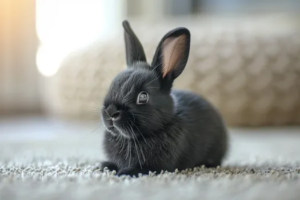
Rabbit Bronchitis from Getting Chilled
Cold weather lets a rabbit's chill turn into a cough and tracheitis; keep the hutch warm and draft-free, and treat with anti-inflammatory care much like pneumonia.

Why Does Your Cat Snore or Purr Heavily?
Some cats snore in sleep, some when approached, some after eating—true 'snore kings.' But it depends on when. Here we explain cat snoring.

Can Cat Conjunctivitis Heal on Its Own?
Conjunctivitis is a feline eye disease that, if untreated, affects vision and the eyes and can even stop the cat from living normally. Here we learn about cat conjunctivitis.

Upper Respiratory Diseases in Dogs and Cats: Types and Treatment
Upper respiratory disease is common in dogs and cats, with sneezing, tearing, low appetite, and breathing trouble, and it often triggers secondary infections. This guide covers colds, nosebleed, rhinitis, laryngitis, and tonsillitis, with the drugs that help each.
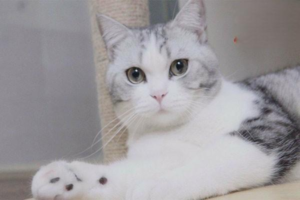
What to Do When a Cat Keeps Sneezing and Sounds Hoarse
Frequent sneezing may signal a respiratory infection that needs prompt, targeted treatment. This article explains why cats sneeze and how to help a cat that is also hoarse.

Why Does My Cat Have a Runny Nose and Breathe Through Its Mouth?
Cats prefer nasal breathing and only mouth-breathe when truly unable, so a runny nose with mouth breathing needs prompt care. This article covers the causes and treatments.

Is It Normal for a Cat to Breathe Through Its Mouth?
Cats evolved in the desert as quiet-breathing hunters, so seeing one pant like a dog is unusual. Brief panting after exercise is normal, but at rest it signals a problem. This article covers three common causes.

Why Is My Cat Breathing Through Its Mouth and Not Eating?
Mouth breathing in cats is abnormal and suggests nasal blockage or labored breathing. If appetite is also lost, a veterinary visit is best. This article explains the common causes.

Common Causes and Medications for Cough in Dogs and Cats
A cough in dogs and cats can be dry or productive and stems from viruses, bacterial respiratory infection, parasites (heartworm, roundworm), irritants or foreign bodies. Treatment targets the cause — antivirals, antibiotics, dewormers, bronchodilators and cough suppressants — while vaccines, regular deworming and a clean, dust-free home prevent most cases.
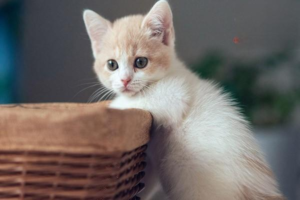
Why Does My Cat Have White, Sticky Eye Discharge?
White, sticky eye discharge in cats often signals inflammation or internal heat. Owners should learn to tell the causes apart and help promptly. Here are the different causes, symptoms, and remedies for white eye discharge in cats.