Search Results
530 results for “toxin”

What Are the Symptoms of Cat Poisoning?
Curious cats may eat something toxic and show vomiting, diarrhea, cough, breathing trouble, drooling, and spasms. Never give human drugs blindly - get the cat to fresh air and a vet at once if it collapses.

Feline Lower Urinary Tract Disease (FLUTD): Causes, Signs and Treatment
Feline lower urinary tract syndrome (FLUTD) is divided into obstructive and non-obstructive types. Obstructive means the urethra is fully or partially blocked. Within 2–3 days of complete blockage, urine retained in the bladder flows backward to the kidneys; this back-pressure suppresses glomerular filtration, causing waste and toxins to accumulate in the blood and leading to uremia. If not treated within 3–6 days, the cat can die. The non-obstructive type is milder; with prompt catheterization and proper daily care, it largely resolves on its own within a week.

What to Do After a Dog Is Poisoned
If a dog shows signs of poisoning, it should be taken to the veterinary hospital immediately.

Dog Diarrhea: Causes and What to Do
Normal dog stool is formed brown 1-2 times daily; diarrhea is soft/watery, more frequent, sometimes with blood or odor, and low energy. Causes range from diet and stress to viruses, bacteria, parasites, IBD, and tumors; fast, probiotics, and vet care by severity.

Ticks on Dogs: The Red Blood-Sucking Bugs
Ticks are arachnids that feed on dog blood, causing anemia and spreading disease and neurotoxins. Never pull a tick out by hand - use tweezers to remove it whole, then clean the site; prevent bites with covering clothing and repellent.
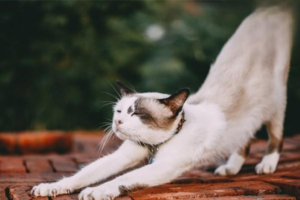
What Is Chronic Diarrhea in Cats?
Chronic diarrhea in cats causes weight loss, slack anus, weakness and dull coat; it is usually chronic gastroenteritis from irregular or greasy diet. Below we explain symptoms and treatment.

How to Get a Dog That Won’t Drink Water to Drink
Water is essential for a dog's normal physiology and metabolism. Both humans and dogs need lots daily. Water is over 60% of an adult dog's weight, about 80% of a puppy's. Lack of water causes stalled digestion, constipation, trapped toxins reabsorbed, severe gut damage, and long-term stones and disease.

Tips for Choosing the Right Dog Food
Dog food must be from a reputable brand; imported food needs Chinese labels, domestic food - check the maker online. Most important is the ingredient list; a qualified owner understands the dog's diet.

What to Do If Your Dog Is Poisoned by Ivermectin
Dog poisoning shows as vomiting, shock, and drooling from plants, pesticides, chocolate, antifreeze, or bad food. Ivermectin toxicity needs dilution, supportive fluids, and symptom drugs; always seek a vet with the right antidote.

Early Symptoms of Uremia in Dogs
Canine uremia is a toxic syndrome from kidney failure that lets metabolic wastes build up. Signs include lethargy, vomiting, diarrhea, breathing and heart changes; peritoneal dialysis is the main treatment and needs urgent vet care.