Search Results
530 results for “toxin”
My dog has incontinence, body convulsions, then stiffness, then more convulsions
Incontinence, convulsions, and limb stiffness in a dog can have several causes, one being an epileptic seizure. Take the dog to the vet promptly. Other causes include poisoning and neurologic diseases such as encephalitis, meningitis, and spinal disease, all needing veterinary examination.
Why does a cat foam at the mouth after eating fish or drinking milk?
Foaming after fish or milk may be food sensitivity or allergy, since cats cannot tolerate lactose in milk and some fish upset the stomach; it may also be food poisoning from toxic fish or dairy, or overfeeding causing acute gastritis. Stop these foods and see a vet if the cat is lethargic or keeps vomiting.
What pasture grasses does the radiated tortoise like to eat?
The radiated tortoise feeds mainly on herbaceous plants and commonly eats oat grass and alfalfa. Not all grasses are suitable, as some are toxic; oat grass is high in fiber and low in protein, while alfalfa is high in protein and helps boost immunity.
What happens if a cat eats moldy cat food?
Moldy food disrupts gut flora and can cause food poisoning; aflatoxin damages liver/immunity, causing vomiting, diarrhea, appetite/weight loss, even death. Seal and store food cool/dry; clear uneaten food daily.

Must-Know Tips for Keeping Parrots in Summer!
Many owners relax management after stopping breeding in summer, but summer needs more attention so parrots thrive later. Our team shares summer management notes.

What to Do When Your Dog’s Urine Has Blood in It
Blood in a dog's urine can come from heat cycles, food poisoning (onions, grapes, chocolate), or urinary tract problems like inflammation or stones. Find the cause first: observe, hydrate for poisoning, and see a vet for urinary or unexplained cases - never self-medicate.

Why Cats Don’t Drink and How to Help
Cats evolved to feel little thirst, but low intake risks urinary disease. Use broths, a fountain, wet food, and flavored water to get them drinking.

Is Redness at the Corner of a Cat’s Eye a Tear Stain?
Redness at a cat's eye corner isn't always tear stains - it can be discharge, infection, injury, or diet-related heat. Learn the four causes and how to treat each.

Causes and Solutions for Blood in Cat Urine
Blood in a cat's urine most often points to a problem in the urinary tract—such as cystitis, urethritis, or bladder stones—but it can also come from diet, heat cycles, food poisoning, or a dirty litter box. Treatment ranges from urinary-support supplements and veterinary care for stones, to diet adjustments, hydration, spaying after heat, and prompt hospital visits for severe poisoning.
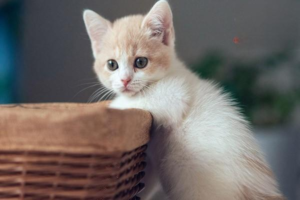
What Should I Do If My Cat Eats Rat Poison?
After eating rat poison, a cat may develop a fever, lethargy, loss of appetite, and vomiting, or show internal and external bleeding such as nosebleeds, bloody vomit, bloody stool, or black tarry feces. Because the toxin can severely damage the liver and other organs, seek veterinary care immediately—if none is nearby, induce vomiting at home with hydrogen peroxide, then follow up with IV fluids and bloodwork.