Search Results
202 results for “toxicity”
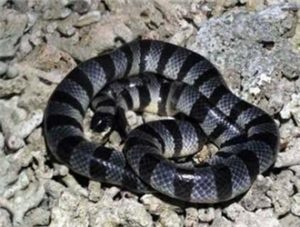
Belcher’s Sea Snake
Considered the most toxic snake known - yet notably docile and, in practice, low-risk because its fangs are weak and yield little venom. Fully marine; education-only.

Black Tiger Snake
The Black Tiger Snake (Notechis scutatus) is one of Australia's ten most venomous snakes, delivering potent neurotoxins, coagulants, and myotoxins that rank among the world's deadliest venoms. Despite a generally placid nature that prefers escape, it flattens its head and neck like a cobra when threatened, and is common in southern swamps.

Home Care for Cat Ringworm: Practical, Low-Cost Treatment
Ringworm, or dermatophytosis, is a fungal skin infection in cats caused mainly by Microsporum canis. Mild cases respond to topical antifungals, B-vitamin support, sunlight, and environmental disinfection, while widespread disease needs medicated baths and veterinary-directed oral antifungals.

Skin Disease in Collies and Other Herding Breeds: Why Medication Must Be Chosen Carefully
Collies and related herding breeds often carry an MDR1 gene mutation that prevents normal drug clearance, making them dangerously sensitive to certain parasiticides such as ivermectin. Skin problems are treated as in any dog, but parasite control and other medications must be chosen with a veterinarian to avoid toxicity.

Aminoglycoside Antibiotic Poisoning in Dogs and Cats
Overuse of aminoglycoside antibiotics such as gentamicin damages the kidneys and the ear nerve and can block nerve-to-muscle signalling. There is no antidote, so stopping the drug and supporting kidney and nerve function are essential.

Arsenic Poisoning in Dogs and Cats
Arsenic compounds are extremely toxic and cause severe haemorrhagic gastroenteritis with later nervous-system and marrow signs. Removing the toxin and chelation therapy are the basis of treatment.

Manganese Metabolism Disorders in Dogs and Cats
Manganese metabolism disorders in dogs and cats are usually deficiency, causing bone deformity, joint swelling, lameness, and reproductive disturbance, with rare toxicity causing reduced fertility and local albinism. They are corrected by balancing dietary manganese.

Copper Metabolism Disorders in Dogs and Cats
Copper metabolism disorders in dogs and cats include copper toxicity, acute shock or chronic liver disease with anemia and ascites, and copper deficiency, causing anemia, bone and joint disease, and faded coat color. They are managed by correcting dietary copper and treating liver disease.

Magnesium Metabolism Disorders in Dogs and Cats
Magnesium disorders in dogs and cats include deficiency, causing stunted growth, hyperexcitability, and convulsions, and excess, usually from over-supplementation, causing vomiting, diarrhea, and in cats urinary tract signs. They are managed by correcting dietary magnesium and treating the underlying cause.

Facial Nerve Paralysis in Dogs and Cats
Facial nerve paralysis is a failure of conduction in the facial nerve that causes a drooping ear, lip, and tongue, difficulty eating, and a risk of keratitis. It may follow ear disease, trauma, infection, or toxicity, and treatment removes the cause while protecting the eye.