Search Results
165 results for “toxicity”
Comparing Popular Dog Dewormer Types
Dog dewormers differ by ingredient and spectrum, so the smart comparison is across ingredient, coverage, ease of use, and price—not brand fame. This guide reviews five common formulations—combined imidacloprid-plus-moxidectin and selamectin spot-ons, oral ivermectin-plus-pyrantel and febantel combinations, and fipronil-plus-methoprene drops—explains how to match each to a need, and flags the key safety note: Collie breeds must avoid ivermectin. Consistent monthly prevention and a clean home protect your dog far better than any single 'best' product.
How to Choose a Dewormer for Dogs
Most dogs meet parasites at least once, and fleas, roundworms, and heartworm are among the most common. Deworming is not a gimmick, yet three myths—indoor dogs are safe, price equals quality, one dose lasts half a year—lead owners astray. This guide covers the three standards for choosing (spectrum, safety, value), the Collie caution with ivermectin-class drugs, and a sensible schedule: monthly external and combined coverage, internal every three months for adults, and vet-guided care for puppies, pregnant, or sick dogs. Low price need not mean low efficacy.

Pacific Double-Saddle Butterflyfish
The Pacific Double-Saddle Butterflyfish (Chaetodon ulietensis), also called the Saddle-spot Butterflyfish, is a gentle marine species that is not difficult for beginners to keep. A popular saltwater ornamental fish, it is primarily coral-feeding and should not be housed in a reef tank. Adults reach about 20 cm in length.
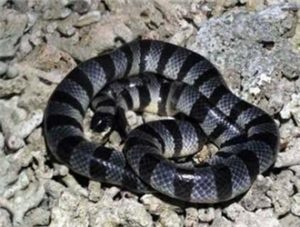
Belcher’s Sea Snake
Considered the most toxic snake known - yet notably docile and, in practice, low-risk because its fangs are weak and yield little venom. Fully marine; education-only.

Black Tiger Snake
The Black Tiger Snake (Notechis scutatus) is one of Australia's ten most venomous snakes, delivering potent neurotoxins, coagulants, and myotoxins that rank among the world's deadliest venoms. Despite a generally placid nature that prefers escape, it flattens its head and neck like a cobra when threatened, and is common in southern swamps.

Home Care for Cat Ringworm: Practical, Low-Cost Treatment
Ringworm, or dermatophytosis, is a fungal skin infection in cats caused mainly by Microsporum canis. Mild cases respond to topical antifungals, B-vitamin support, sunlight, and environmental disinfection, while widespread disease needs medicated baths and veterinary-directed oral antifungals.

Skin Disease in Collies and Other Herding Breeds: Why Medication Must Be Chosen Carefully
Collies and related herding breeds often carry an MDR1 gene mutation that prevents normal drug clearance, making them dangerously sensitive to certain parasiticides such as ivermectin. Skin problems are treated as in any dog, but parasite control and other medications must be chosen with a veterinarian to avoid toxicity.

Aminoglycoside Antibiotic Poisoning in Dogs and Cats
Overuse of aminoglycoside antibiotics such as gentamicin damages the kidneys and the ear nerve and can block nerve-to-muscle signalling. There is no antidote, so stopping the drug and supporting kidney and nerve function are essential.

Arsenic Poisoning in Dogs and Cats
Arsenic compounds are extremely toxic and cause severe haemorrhagic gastroenteritis with later nervous-system and marrow signs. Removing the toxin and chelation therapy are the basis of treatment.

Manganese Metabolism Disorders in Dogs and Cats
Manganese metabolism disorders in dogs and cats are usually deficiency, causing bone deformity, joint swelling, lameness, and reproductive disturbance, with rare toxicity causing reduced fertility and local albinism. They are corrected by balancing dietary manganese.