Search Results
215 results for “texture”

Lakeland Terrier
The Lakeland Terrier is a small, bold British terrier bred to hunt foxes among the Lake District hills. Confident, friendly and weatherproof, it is an energetic and affectionate companion.

Poodle (Caniche)
The Poodle, often groomed in the popular 'Teddy' style, is a smart, low-shedding companion dog that comes in standard, miniature and toy sizes. Lively and affectionate, it is one of the most popular pets.

Old English Sheepdog
The Old English Sheepdog is a large, shaggy British herding dog with a gentle, clownish disposition. Friendly and devoted, it is a beloved family companion and willing watchdog.

Wirehaired Pointing Griffon
The Wirehaired Pointing Griffon is a medium-sized, versatile hunting dog originally from Czechoslovakia, developed in the 19th century. Known as an excellent gun dog, it is affectionate, easygoing, and deeply devoted to its family.

How to Care for an Elderly Guinea Pig
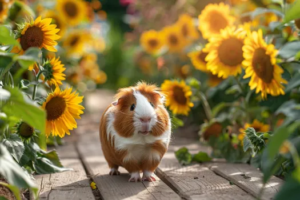
A guinea pig over 5 years is senior and faces falling immunity, calcium deficiency (cramps, brittle bones, broken teeth), hair loss, and weaker senses. Care with a warm, low-obstacle cage, senior food rich in vitamin C and calcium, soft textures, and extra companionship.
Causes of Anorexia in Guinea Pigs
Guinea pig anorexia comes from both internal and external factors. Internally, overgrown or misaligned teeth, mouth sores, vitamin C deficiency, obesity, pain, or certain medications suppress appetite. Externally, sudden feed changes, temperature swings, stress, and food competition among cage-mates can all trigger refusal to eat.

Why Won’t My Blood Parrot Cichlid Eat?
A blood parrot cichlid may stop eating because it rejects a new food, is stressed by fright, has enteritis, or lives in dirty water. Rule out the simple causes first, then treat illness or improve water quality.
What happens if I feed adult dog food to a puppy?
Adult food can harm puppies through insufficient nutrition and poor digestion. Puppies need more protein, fat, and minerals; long-term adult food causes malnutrition and affects bone growth. Adult kibble is also larger, harder, and starch/fiber-heavy, causing diarrhea, constipation, and vomiting.
What Is the Difference Between Turtle Shedding and Skin Rot?
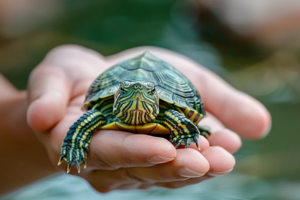
Skin rot is a common turtle skin disease; shedding is a normal physical process every turtle goes through. Early signs look alike, but clear signs are easy to tell apart. Here is the detailed difference and how to treat rot.

How to Tell Turtle Shedding from Skin Rot
Shedding is a normal, harmless process, while skin rot can threaten a turtle's life and needs prompt treatment. The two are easy to tell apart. Here are the key differences.