Search Results
215 results for “texture”
At what age does a Golden Retriever’s coat grow rapidly?
Golden Retrievers start a rapid coat growth around 3 months, becoming lush by then. Adolescence at 7-8 months needs more nutrition; full development by about 1.5 years.
What to do if a baby kitten won’t eat?
A kitten refusing food may mean the formula is too dilute, the nipple too hard, or indigestion from overfeeding. Adjust concentration or nipple, feed small and often, and see a vet if it still won't eat.
Kitten Milk-Paste Food vs. Kitten Kibble: What’s the Difference?
Milk-paste (milk cake) food suits kittens in the 1–4 month weaning window — tiny, soft, easy to mash, and gentle on undeveloped teeth and tummies. Kitten kibble (1–8 months) has larger, firmer pieces that exercise the jaws. Both are far richer than adult food; pick based on your kitten's age and your feeding routine.
Cat Hates Water and Won’t Bathe? A 3-Step Desensitization Plan
Cats aren't really afraid of water — they're afraid of the loss of control when forced into a strange situation and soaked. Bad past experiences make it worse. Desensitize gradually: let them explore the bathroom, get used to water sounds and tools, then simulate the bath, and keep indoor cats to a bath only every 3–6 months.
How to properly soak kibble for your dog?
To soften dog food, never use cold water; warm water is best, but avoid water that is too hot to prevent burns. Warm goat's milk can also soften food while adding nutrition. Always test the temperature and softness with your hand before feeding.
Can Golden Retrievers eat rice?
Goldens can eat rice, but it shouldn't be the staple - it's mostly carbs and causes malnutrition and poor growth if fed long-term. Avoid it under 6 months (soft texture harms teeth, risks double rows of teeth). If you do feed rice, add meat and veggies.
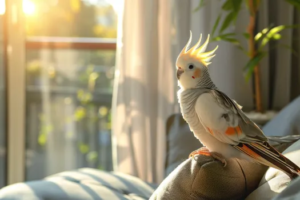
How to Feed a Newborn Parrot
Newly hatched parrots should be fed a fine, evenly textured parrot hand-feeding formula every 2-3 hours, with small portions to avoid digestion problems. Keep the brooder warm (28-32C), quiet, and clean, and watch closely for any sign of illness.
What If Your Cat Eats Only Treat Sticks and Refuses Kibble?
A cat that eats only treat sticks (cat paste) and skips kibble risks nutritional imbalance, weak immunity, and obesity, since these snacks are low in complete nutrition and high in fat. Wean gradually: mix 30% treat stick into kibble days 1–3, 15% days 4–7, 5% days 8–10, then kibble alone. Add play and puzzle feeders to build appetite. If the refusal is sudden with lethargy or weight loss, see a vet for stomatitis or illness.
The Hidden Cost of Ignoring Your Dog’s Tartar
Tartar causes more than bad breath — it harbors bacteria that trigger gingivitis and periodontitis, erode the alveolar bone, and loosen teeth. Bacteria entering the bloodstream via gum wounds can cause sepsis, nephritis, or myocarditis, shortening a dog's life by 2–3 years. Treat with professional cleaning (and extraction if severe), and prevent daily with brushing, dental wipes/gel, and chews.
Is it okay to feed my dog rice?
Rice has some benefits for dogs but shouldn't be a long-term diet. Its main nutrient is carbohydrates, which in moderation become energy. But too much at once causes poor digestion, bloating and vomiting. Rice is also low in variety of nutrients, so long-term feeding risks poor development. Its soft texture sticks in teeth and breeds bacteria, risking stomatitis and tartar if you don't brush regularly.